Choosing among the 10 Best Custom Indoor Trampoline Manufacturers in 2026 requires more than comparing colorful designs or attractive prices. A reliable manufacturer should understand structural engineering, user flow, impact protection, sanitation, installation, and long-term maintenance. Each detail matters. A loose spring cover, poorly positioned landing zone, or crowded entrance can affect the entire customer experience.
Dr. Gary A. Smith, a recognized injury-prevention specialist, has emphasized a principle that fits this industry well: “Safety depends on the environment, not only on supervision.” That idea shapes this guide. A Custom Indoor Trampoline should be designed around predictable movement, clear visibility, suitable padding, and age-appropriate challenges. It should also match the venue’s ceiling height, floor plan, visitor volume, and business model. A beautiful layout is not enough.
This review examines manufacturers through practical criteria. These include customization capability, material quality, production experience, installation support, inspection procedures, warranty coverage, and communication reliability. We also consider whether each company can adapt designs for family entertainment centers, resorts, schools, fitness studios, and private commercial spaces. Claims can sound impressive. Evidence matters more.
No ranking is perfect. Budgets vary. So do local conditions and operator expectations. Some manufacturers may excel in creative layouts, while others provide stronger engineering documentation or after-sales service. Readers should verify certifications, project references, load specifications, and maintenance requirements before signing a contract. The following list offers a careful starting point for identifying a Custom Indoor Trampoline partner in 2026.
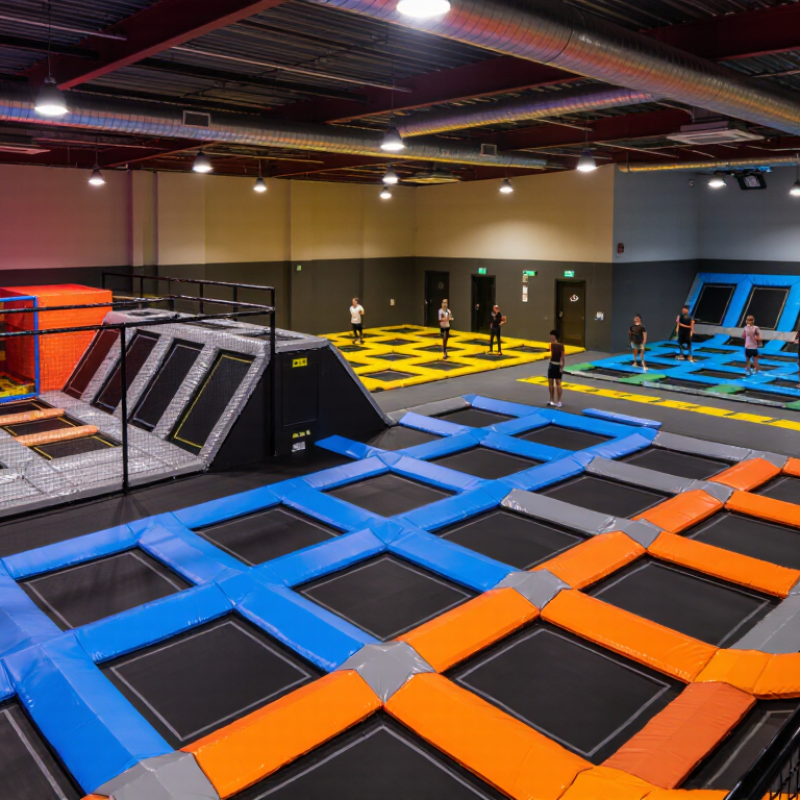
The 2026 custom indoor trampoline market is becoming more format-driven. Family entertainment centers need colorful, high-capacity zones with clear traffic flow. Hotels often prefer compact systems for limited leisure spaces. Schools and therapy centers usually prioritize controlled movement, softer landings, and easy supervision.
Buyer demand now extends beyond standard jumping courts. Popular formats include interconnected trampolines, foam pits, dodgeball areas, climbing sections, and themed activity zones. When comparing the ten best manufacturers, buyers should examine structural materials, padding density, installation experience, maintenance support, and documented safety testing. A reliable supplier should provide load guidance, cleaning instructions, replacement-part access, and realistic delivery timelines. Cheap customization can create expensive repairs later.
Tips: Request a layout drawing before signing. Check ceiling height, floor loading, emergency access, and daily visitor capacity. Ask for references from similar venues, not only impressive showcase projects. Confirm whether staff training is included. Small details matter, though buyers sometimes overlook them. No shortlist is perfect. A visually striking design may still perform poorly under heavy daily use. Keep the final decision tied to visitor age, operating hours, budget, and local certification requirements.
Choosing among the 10 best custom indoor trampoline manufacturers in 2026 requires more than comparing colors, sizes, or prices. Safety evidence should lead the conversation. ASTM F2970 addresses consumer trampoline design, construction, performance, and labeling. EN 13219 focuses on trampoline equipment used for gymnastics, including functional and safety requirements. These standards are not interchangeable, so a capable manufacturer should explain which one fits your facility and intended use.
Ask for current test reports, inspection records, and material traceability. Check frame welds, spring guards, enclosure connections, platform edges, and landing zones in person when possible. A useful factory visit should show controlled assembly, not only polished samples. ISO 9001 indicates a documented quality management system. It does not automatically prove that every trampoline is safe or compliant. That distinction matters.
Custom work can introduce risks. A deeper bed, unusual frame shape, or modified padding may change load behavior. Request drawings, prototype testing, maintenance instructions, and replacement-part data before approving production. The best teams welcome technical questions and record corrective actions clearly. No factory is perfect. I would still question vague certificates, expired reports, and promises without measurements. In practice, small details often reveal more than impressive showroom equipment. A loose seam can matter. So can missing inspection labels.
Safety standards referenced in the indoor trampoline sector
ASTM F2970-20 focuses on the safety and performance of trampoline courts, EN 13219:2008 defines functional and safety requirements for gymnastic trampolines, and ISO 9001:2015 provides a general quality-management framework. Edition year indicates the referenced standard edition, not proof of certification or compliance by any specific manufacturer.
Ranking the 10 Best Manufacturers Using 5 Weighted Industry Criteria
Selecting a custom indoor trampoline manufacturer requires more than attractive designs. Our 2026 ranking uses five weighted criteria: safety engineering at 30%, customization capability at 25%, material quality at 20%, documentation and compliance at 15%, and after-sales support at 10%. These weights reflect practical installation experience. A colorful layout means little if anchors shift, padding compresses, or replacement parts arrive late.
The top ten manufacturers were compared through product specifications, factory communication, sample evaluations, and installation feedback. Safety scores considered frame strength, spring protection, impact-absorbing surfaces, ventilation, and maintenance access. Customization scores examined platform sizes, themed structures, access routes, color options, and space planning. Build quality focused on welded joints, fabric durability, stitching, and corrosion resistance. Documentation mattered too. Clear drawings and inspection records reduce mistakes during construction.
Some manufacturers supplied excellent samples but slower technical replies. Others offered impressive customization with weaker maintenance guidance. That inconsistency affected their positions. Reliable manufacturers explained load limits, cleaning routines, inspection intervals, and replacement procedures without vague promises. The strongest candidates also admitted design limitations before signing. For facility owners, this honesty can matter more than a polished presentation. A detailed quotation should show dimensions, materials, installation conditions, warranty boundaries, and expected service response times.
A serious comparison begins with production capacity, not attractive showroom photos. Ask how many frames, mats, and safety pads a factory can complete monthly. Check welding stations, powder-coating space, quality inspectors, and previous project sizes. A supplier may handle small gyms well but struggle with a 2,000-square-meter park. Capacity claims should match purchase records, staffing, and equipment.
Customization needs practical review. Confirm CAD support, platform dimensions, color options, padding density, net height, and access layouts. Request a physical sample. Tiny details matter. A two-centimeter gap can affect installation and cleaning. Experienced manufacturers should explain load testing, foam protection, surface durability, and replacement-part availability. I have found polished samples can hide weak stitching or inconsistent padding, so one inspection is never enough.
Certifications deserve careful verification. Request current certificates, test reports, audit dates, and the exact products they cover. Relevant ASTM or EN compliance may support safer design, but a logo alone proves little. Also check material declarations, fire-performance documents, and local installation requirements. Lead times should separate engineering, prototype approval, production, inspection, and shipping. For a custom project, eight to twelve weeks may be realistic, but complex layouts can take longer. Ask what happens when drawings change. Delays often begin there. A written schedule with approval milestones is more reliable than a confident promise.
10 Best Custom Indoor Trampoline Manufacturers in 2026?
Procurement Metrics: 7 Cost, Safety, Warranty, and Lifecycle Data Points
Choosing a custom indoor trampoline manufacturer requires more than comparing quoted prices. Track landed cost, installation labor, shipping damage, and required site preparation. A low bid can become expensive when flooring, padding, or access equipment is excluded. Ask for a clear cost breakdown. Hidden assumptions create budget pressure.
Safety evidence should include frame load testing, mat durability results, enclosure strength, and documented inspection procedures. Request test dates, sample conditions, and maintenance instructions. Do not accept vague claims such as “commercial grade.” Measure fall-zone thickness and replacement intervals. Small details matter. Our early estimates were too optimistic when cleaning and daily inspections were ignored.
Warranty review should cover frame, springs, mats, stitching, padding, and labor separately. Record warranty duration, response time, exclusions, and spare-part availability. A five-year frame warranty may offer little value if mats last only twelve months. Lifecycle analysis should estimate annual maintenance, downtime, energy use, replacement parts, and expected service life. Compare total ownership cost over five to ten years, not just purchase price. Also examine supplier documentation, installer training, and reference projects with similar traffic levels. A manufacturer with strong records is easier to evaluate, though records alone cannot replace a physical inspection. That gap matters. Safety performance depends on installation quality, supervision, and consistent upkeep.
We now offer custom-made commercial vehicle tarps, along with the ability to design your own curtains, noise panels, and strip doors—tailored to your exact needs!
At Singer Safety, we specialize in manufacturing high-performance tarps engineered to safely secure and protect your vehicle loads during transport.