
China Top 10 Livestock Injection Manufacturers
China’s livestock pharmaceutical sector serves cattle, swine, poultry, sheep, and aquaculture operations worldwide. This introduction presents ten notable Livestock Injection manufacturers in China. It focuses on practical factors rather than marketing claims. These factors include manufacturing experience, product consistency, sterile production, regulatory documentation, and technical support.
A reliable manufacturer should demonstrate strong quality systems and clear batch traceability. Visitors may examine cleanrooms, filling lines, laboratory equipment, and storage conditions. Buyers should also review veterinary drug registrations, GMP certification, stability data, and export documents. Cold-chain planning matters when products require controlled temperatures. So does responsive communication after delivery.
The selected companies are considered through a professional sourcing perspective. Their portfolios may include antibiotics, vaccines, vitamins, minerals, antiparasitic products, and supportive injections. Product suitability depends on animal species, disease conditions, dosage instructions, and local veterinary supervision. It should never depend only on a low quotation.
Evidence is not always equally available. Public company information can be incomplete, outdated, or translated poorly. That limitation deserves attention. Rankings may change as factories expand, approvals change, or quality records develop. This guide is therefore a starting point, not a permanent verdict. Readers should request current certificates, production licenses, testing reports, and reference markets before cooperation. Independent veterinary advice and local legal review remain essential. Practical details matter. The best supplier is not always the largest one. It is the manufacturer that combines dependable quality, transparent documentation, stable supply, and responsible technical service.
China’s Top 10 Livestock Injection Manufacturers
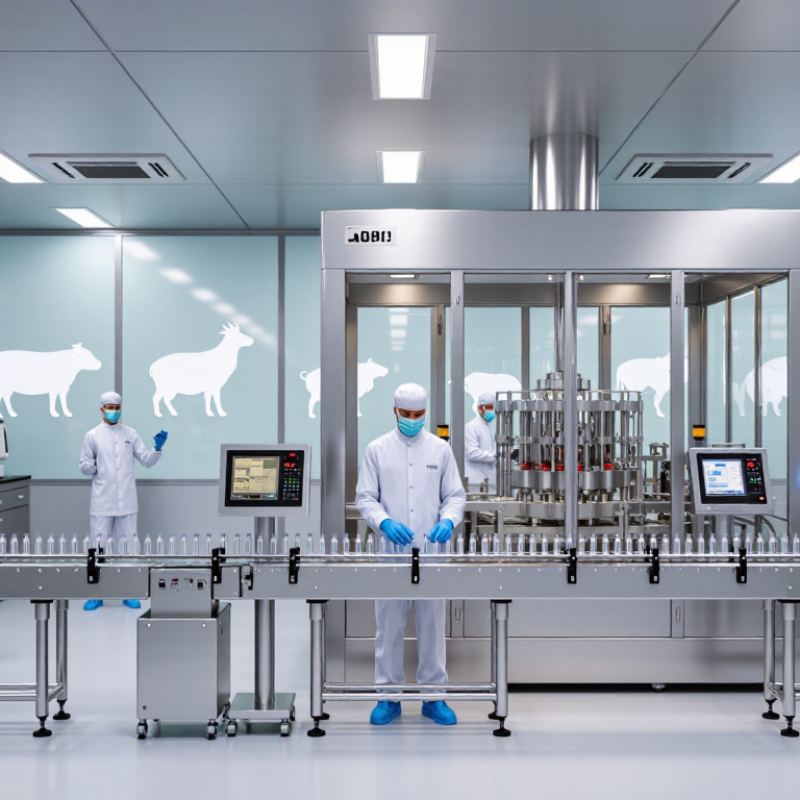
China’s Top 10 Livestock Injection Manufacturers serve a market shaped by animal health, food safety, and strict production controls. These manufacturers commonly produce injectable products for cattle, pigs, poultry, and other farm animals. Their facilities should follow recognized Good Manufacturing Practice standards, with clean rooms, controlled water systems, and documented batch procedures.
A reliable manufacturer provides more than a product catalogue. Its quality team should test sterility, active ingredients, packaging integrity, and storage stability. Visitors may notice stainless-steel tanks, sealed filling lines, and clearly labeled sample rooms. Traceability is essential. Each batch should connect to raw materials, operators, test results, and release records. Export experience also matters, especially when documents must meet different veterinary regulations.
The top ten should not be judged by production volume alone. Technical support, transparent communication, and complaint handling reveal practical strength. A careful buyer should review registration files, inspection reports, and independent test evidence before cooperation. Cold-chain planning may also affect injectable quality during transport. Rankings can be imperfect. Public information is sometimes incomplete, and factory capacity may change. Even a well-equipped facility needs regular oversight, because consistent quality depends on daily discipline rather than impressive buildings.
| No. | Manufacturer Profile | Primary Livestock Focus | Common Injectable Product Categories | Typical Dosage Forms | Quality and Compliance Framework | Common Market Coverage | Key Selection Strength |
|---|---|---|---|---|---|---|---|
| 1 | Large-scale veterinary pharmaceutical manufacturer | Pigs, poultry, cattle and sheep | Antibacterials Antiparasitics Vitamins | Injection solutions, injectable suspensions and sterile powders | Veterinary GMP-based production, batch testing and microbial-control procedures | Domestic distribution and selected international markets | Broad product portfolio and high-volume production capability |
| 2 | Integrated animal-health manufacturer | Poultry, pigs and ruminants | Vaccines Immune-support products Antibacterials | Liquid injections, freeze-dried products and sterile powders | Veterinary GMP controls, validated sterilization and stability evaluation | China and regulated export destinations | Combination of preventive and therapeutic livestock products |
| 3 | Specialized injectable veterinary medicine producer | Cattle, buffalo, sheep and goats | Mineral injections Vitamin injections Anti-inflammatory products | Small-volume injections and multidose injectable solutions | Veterinary GMP manufacturing, sterility testing and quality-release procedures | Domestic farms, distributors and overseas livestock markets | Focus on ruminant health and supportive-care formulations |
| 4 | Modern biological veterinary-product manufacturer | Poultry and swine | Inactivated vaccines Live vaccines Immune modulators | Liquid vaccines and lyophilized injectable preparations | Controlled biological production, pathogen monitoring and cold-chain requirements | National distribution and selected export markets | Preventive health programs for intensive farming systems |
| 5 | Multi-species pharmaceutical manufacturer | Pigs, poultry, cattle, sheep and companion animals | Antibiotics Antipyretics Electrolytes | Injectable solutions, suspensions and sterile powders | Veterinary GMP systems, raw-material qualification and finished-product inspection | China, Southeast Asia, Africa and other developing markets | Flexible supply for multiple animal species |
| 6 | Export-oriented veterinary injection manufacturer | Pigs, poultry and ruminants | Antibacterials Antiparasitics Nutritional injections | Glass-vial injections, plastic-bottle infusions and sterile powders | Veterinary GMP production, export documentation and product traceability | Asia, Africa, the Middle East and Latin America | Experience with international packaging and registration requirements |
| 7 | Livestock therapeutics manufacturer | Swine, cattle and sheep | Antimicrobials Analgesics Anti-inflammatory drugs | Injectable solutions and long-acting injectable suspensions | Veterinary GMP controls, assay testing and withdrawal-period documentation | Domestic veterinary hospitals, farms and wholesale channels | Therapeutic products designed for farm-animal treatment programs |
| 8 | Veterinary biologicals and pharmaceuticals producer | Poultry, pigs and cattle | Vaccines Antitoxins Supportive injections | Lyophilized vaccines, injectable liquids and sterile diluents | Biological-quality control, sterility testing and refrigerated distribution | Domestic immunization programs and selected overseas markets | Integrated vaccine packaging and cold-chain compatibility |
| 9 | Cost-efficient generic veterinary medicine manufacturer | Poultry, pigs, cattle and small ruminants | Generic antibiotics Vitamins Trace minerals | Multidose injectable solutions and sterile powders | Veterinary GMP production, incoming-material testing and batch-release control | Domestic distributors and price-sensitive international markets | Competitive production costs and broad generic availability |
| 10 | Specialty animal-health manufacturer | High-value livestock and breeding animals | Reproductive-health products Hormonal injections Metabolic-support products | Small-volume sterile injections and controlled-dose preparations | Veterinary GMP requirements, potency testing and temperature-controlled storage | Specialized domestic farms and professional export distributors | Focused formulations for breeding, reproduction and herd performance |
 '
'
