2025 How to Choose the Best Sound Deadening Material for Your Home
In an increasingly noisy world, the importance of selecting the right sound deadening material for your home cannot be overstated. According to the National Institute of Health, prolonged exposure to unwanted noise can lead to adverse health effects, including stress, sleep disturbances, and even cardiovascular problems. As home environments evolve into multifunctional spaces for work, relaxation, and entertainment, the demand for effective soundproofing solutions has risen significantly. In fact, a report from the Acoustical Society of America highlights that sound control is one of the top considerations for homeowners looking to improve their living conditions.
When choosing sound deadening material, homeowners must consider various factors including material composition, thickness, and installation methods. Various industry studies suggest that certain materials can reduce noise transmission by as much as 50%, providing a noticeable improvement in acoustic quality. Furthermore, with innovations in sound insulation technology, consumers can now find eco-friendly options that not only enhance the acoustic properties of their spaces but also contribute to sustainability efforts. Understanding these advancements and employing the right sound deadening material is essential for creating a peaceful and comfortable home ambiance.
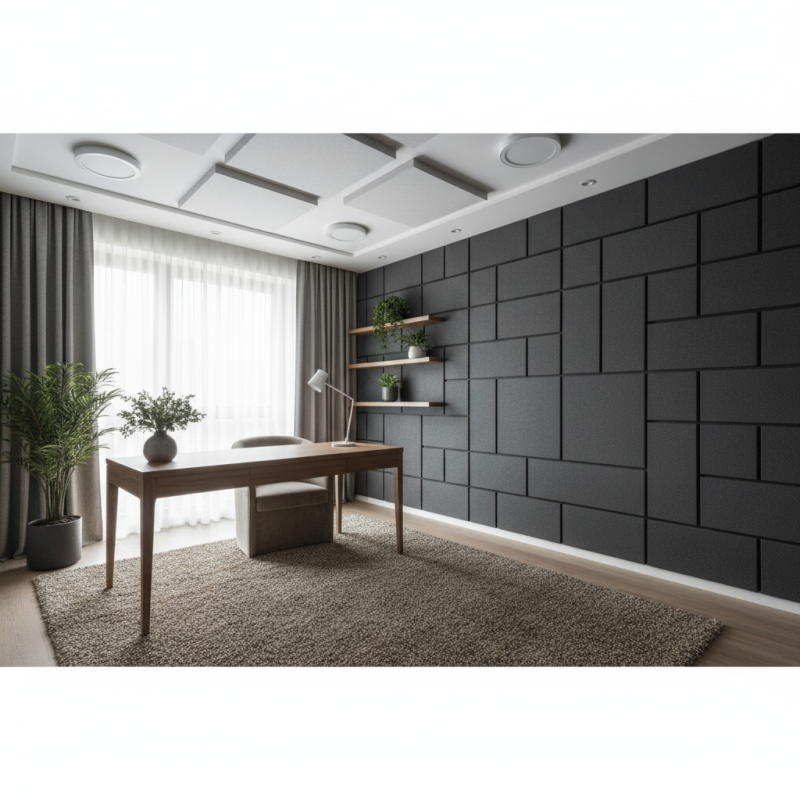
Understanding Sound Deadening Materials and Their Importance
Understanding sound deadening materials is crucial for creating a peaceful and comfortable living environment. Sound deadening materials primarily serve to absorb and block noise, making it easier to maintain privacy and reduce distractions from outside disturbances. These materials can come in various forms, such as foam panels, mass-loaded vinyl, and resilient channels, each providing different functionalities and levels of effectiveness depending on the application.
The importance of sound deadening cannot be overstated, especially in urban settings where noise pollution can disrupt daily life. In residential spaces, sound deadening materials help to minimize echoes and reverberation, leading to improved acoustics. This is particularly beneficial in areas such as home theaters, music studios, or even shared living spaces, where maintaining a serene environment is essential for relaxation and concentration. Additionally, implementing sound deadening solutions can enhance the overall value of a property by addressing common concerns related to noise, thereby appealing to potential buyers or renters.
Types of Sound Deadening Materials Available for Home Use
When considering sound deadening materials for your home, it's essential to understand the various types available, each offering unique properties and benefits. The most common materials include mass-loaded vinyl, acoustic panels, fiberglass insulation, and foam tiles. According to industry reports, mass-loaded vinyl is particularly effective due to its high density and ability to reduce sound transmission through walls and floors. It is widely recommended for home theaters, music rooms, and other spaces where sound control is paramount.
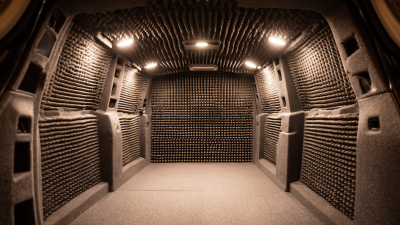
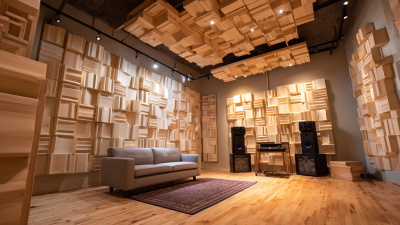
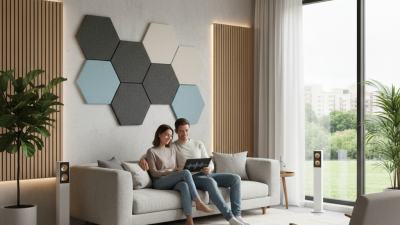
Acoustic panels, made from porous materials, absorb sound waves rather than merely blocking them, making them ideal for reducing echo in rooms. Research indicates that implementing acoustic panels can lower sound levels by as much as 50% in residential settings. While fiberglass insulation is typically used for thermal insulation, its sound-dampening qualities also play a significant role in enhancing indoor acoustics by minimizing sound travel through walls.
Tips: When selecting sound deadening materials, consider the specific type of noise you wish to mitigate—impact noise, airborne noise, or echoes. For example, if you are dealing with footsteps from above, focus on materials that reduce impact noise, like mass-loaded vinyl. Additionally, ensure proper installation, as gaps can significantly diminish the effectiveness of soundproofing efforts. Remember that combining different materials often yields the best results for comprehensive sound control in your home.
Factors to Consider When Choosing Sound Deadening Materials
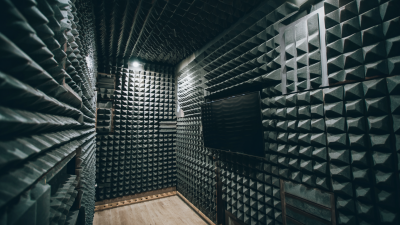
When selecting sound deadening materials for your home, several key factors come into play. First and foremost is the material's density. Heavier materials often provide better sound insulation, as they are more effective at blocking sound waves. For example, materials like mass-loaded vinyl or acoustic foam can significantly reduce noise transmission when properly installed. Understanding the specific areas in your home that require soundproofing will guide your choice of material; different locations may benefit from various types of sound deadening solutions.
Another critical consideration is the type of noise you want to mitigate. Impact noise, such as footsteps, requires different solutions than airborne noise, like conversations or music. Foam panels are excellent for reducing airborne noise in walls and ceilings, while cork or rubber can be effective for minimizing impact noise on floors. Additionally, the installation process of the chosen materials can affect their efficiency. It’s essential to opt for products that can be installed easily, or to consider hiring professionals if the installation is complex.
By evaluating these factors, you can select materials that not only meet your acoustic needs but also fit your budget and aesthetic preferences.
Installation Methods for Effective Sound Deadening
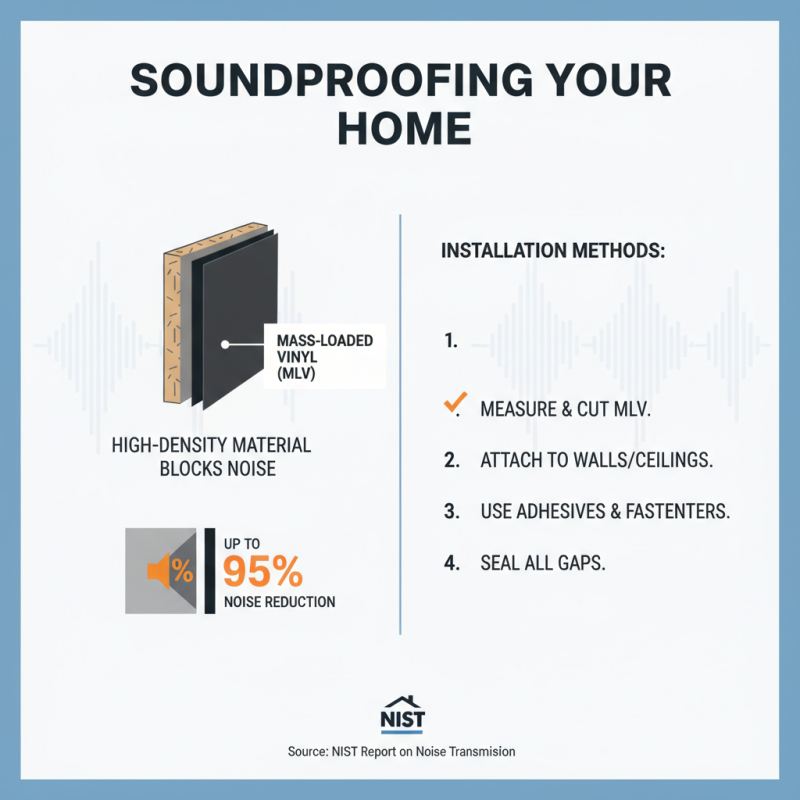
When it comes to effectively sound deadening your home, installation methods play a critical role in achieving desired results. One of the most popular techniques is the use of mass-loaded vinyl (MLV), which is known for its high density and ability to block sound. According to a report by the National Institute of Standards and Technology, adding MLV can reduce noise transmission by up to 95% when properly installed. To install MLV, start by measuring the areas you wish to treat and attach the vinyl directly to the wall or ceiling joists using appropriate adhesives or mechanical fasteners. Ensure there are no gaps to maximize sound isolation.
Another effective installation method involves the use of acoustic panels. A study from the Acoustical Society of America indicates that strategically placing acoustic panels in key areas can reduce reverberation time by 50% or more. These panels should be installed at ear level and spaced adequately—typically 3-5 feet apart—to enhance their sound-absorbing properties. Furthermore, for a more seamless approach, consider integrating soundproof drywall, which combines sound attenuation with superior insulation. Installing this type of drywall involves standard procedures like taping and mudding seams, but it’s imperative to secure it tightly against existing structures to prevent air gaps that can compromise soundproofing effectiveness.
Cost Analysis and Budgeting for Soundproofing Solutions
When considering soundproofing for your home, budgeting effectively is essential to achieving the best results without overspending. The cost of sound deadening materials can vary significantly based on several factors, including the type of material, the area you intend to soundproof, and the installation method. For example, options such as acoustic panels or foam can be more affordable and suitable for small spaces, while resilient channels or mass-loaded vinyl may require a larger upfront investment but offer superior sound isolation in larger areas. Setting a clear budget allows you to prioritize your soundproofing solutions according to your specific needs and space.
In addition to material costs, it’s important to factor in labor expenses if you plan to hire professionals for installation. Some soundproofing solutions, such as drywall installation or specialized soundproof insulation, can be complex and labor-intensive, impacting your overall budget. DIY options can save money, but be sure to consider your skill level and the time required to complete the project. Therefore, conducting thorough research and obtaining quotes from contractors can help you establish a realistic budget that aligns with your soundproofing goals while ensuring that you don’t compromise on quality or effectiveness.
2025 How to Choose the Best Sound Deadening Material for Your Home - Cost Analysis and Budgeting for Soundproofing Solutions
| Material Type |
Cost per Square Foot ($) |
Effectiveness Rating (1-10) |
Installation Difficulty (1-10) |
Durability (Years) |
| Mass Loaded Vinyl |
2.50 |
9 |
4 |
20 |
| Acoustic Panels |
3.00 |
8 |
3 |
10 |
| Acoustic Foam |
1.50 |
7 |
2 |
5 |
| Soundproof Drywall |
2.00 |
8 |
5 |
30 |
| Carpet and Padding |
1.75 |
6 |
3 |
10 |

 '
'
