How to Choose Cold Lamination Film for Your Business?
Choosing the right cold lamination film can protect printed materials and strengthen your business reputation. The wrong film may cause bubbles, lifting edges, color changes, or difficult application. These problems often appear after installation, when correction becomes expensive.
This guide examines film thickness, surface finish, adhesive strength, roll size, and substrate compatibility. A clear gloss film can sharpen colors on menus and product labels. A matte film can reduce glare on posters near windows. Textured options may improve grip, but they can slightly soften fine details. Always test a sample first. Small trials reveal practical issues that product descriptions may miss.
Application conditions matter too. Dusty surfaces, low temperatures, or excessive pressure can affect results. Experienced operators check the print’s ink stability before applying cold lamination. They also measure the roll width against the laminator and finished graphic. That simple step can reduce waste. Reliable suppliers should provide technical data, storage guidance, and consistent adhesive performance. However, no film suits every project. Even professional recommendations need real-world verification. This article will help you compare options carefully, question unsuitable claims, and select a film that matches your materials, equipment, budget, and expected service life. Expect some adjustment. The best choice is often discovered through controlled testing, not guesswork.
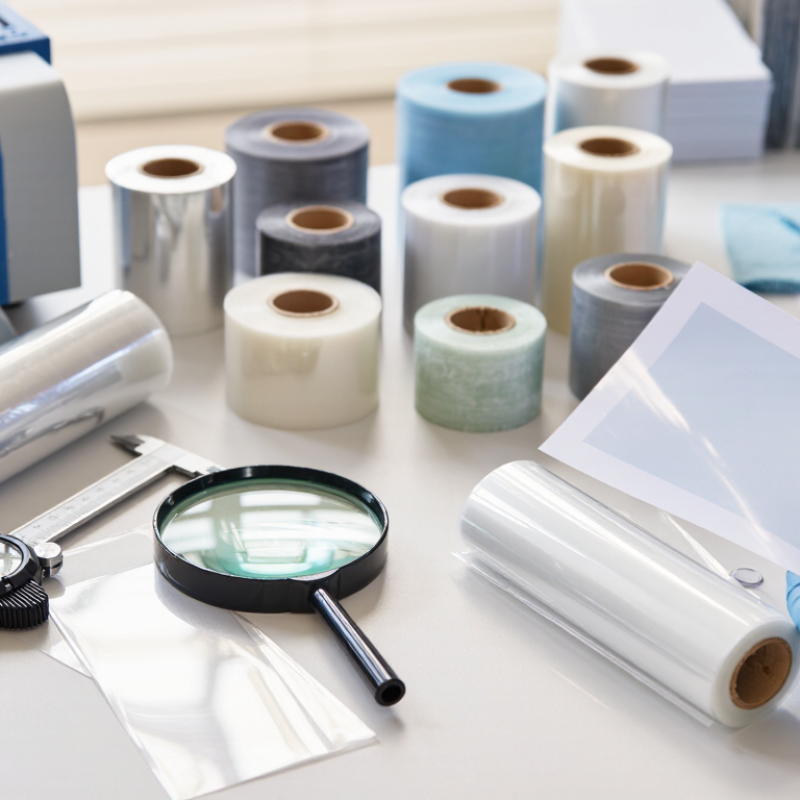
Understanding Cold Lamination Film and Its Business Applications
Cold lamination film is a pressure-sensitive protective layer applied without heat. It uses adhesive pressure rather than thermal activation. This makes it useful for heat-sensitive prints, including inkjet graphics, photographs, labels, menus, and retail displays. The film can protect against scratches, moisture, fading, and repeated handling.
Industry data supports this demand. Grand View Research valued the global digital printing market at approximately USD 35 billion in 2023 and projects continued growth through 2030. More digitally printed materials also create a need for practical finishing protection. Smithers’ industry forecasts similarly identify short-run, customized printing as a major packaging and graphics trend. These reports do not measure cold film alone, but they explain its expanding business relevance.
Choose film by application, not appearance. Outdoor signs may need ultraviolet resistance and stronger adhesive. Menu covers may need easy cleaning and a low-glare finish. Gloss film can increase color impact, while matte film reduces reflections under store lighting.
Thickness matters too. Thin film is economical, but thicker film often feels more durable. Test adhesion on the actual substrate first. Paper texture, ink density, and surface dust can change results. A perfect film rarely exists. A cheaper option may fail after one rainy week. Small trials reveal more than attractive specifications. Keep records of temperature, pressure, and application speed before large production runs.
Identifying Your Materials, Surfaces, and Protection Requirements
How to Choose Cold Lamination Film for Your Business?
Identifying Your Materials, Surfaces, and Protection Requirements
Start with the material you need to protect. Paper, synthetic labels, photographs, and printed boards react differently to adhesive films. Check the ink surface before choosing a product. Some inks remain sensitive to pressure or moisture after printing. A small test area can reveal lifting, bubbles, or unwanted color changes. Do not skip this step.
Your surface also matters. Smooth boards usually accept film more easily than textured, dusty, or porous materials. Measure the surface temperature during application, especially in cold workshops or storage areas. A film may look perfect at first, then release at the corners. Edges deserve attention. Clean them carefully and allow the print to dry fully before lamination.
Protection requirements should guide the film’s thickness and finish. Choose a stronger film for menus, outdoor signs, frequently handled cards, or transport labels. Matte surfaces reduce glare under bright lights, while gloss finishes can make colors appear sharper. Consider scratches, water exposure, folding, and regular cleaning. I once saw a glossy finish chosen for a display, but strong lighting made the text harder to read. The decision was technically sound, yet unsuitable for that location. That is worth remembering. Real conditions often challenge a neat specification. Test adhesion, appearance, and flexibility after twenty-four hours, not just immediately after application. Record the results for future jobs.
Comparing Film Types, Adhesives, Finishes, and Thicknesses
Choosing cold lamination film starts with the surface, not the price. PET offers strong dimensional stability for shop graphics and frequently handled prints. PVC remains flexible and conforms well around gentle curves. PP is lighter and often suitable for short-term indoor applications. According to Smithers’ digital print market analysis, shorter print runs and customized graphics continue to expand demand for finishing materials. That makes reliable film selection more important for small production batches.
Adhesive choice changes the result. Permanent acrylic adhesives suit outdoor signs and long display periods. Removable adhesives help temporary graphics, but dust and low temperatures can reduce performance. Test adhesion on the actual substrate. Small differences matter. A matte finish hides fingerprints and glare, while gloss increases color depth under controlled lighting. Textured finishes can improve handling, although they may soften fine photographic detail.
Thickness should match exposure and handling. Films around 50–75 microns can preserve flexibility for indoor graphics. Heavier films, commonly 100 microns or more, provide stronger abrasion resistance and a more rigid feel. Grand View Research’s lamination films market report projects global growth at roughly 5% annually through 2030, reflecting wider use across print and signage applications. In my own trial planning, I once selected film by thickness alone. That was too simple. A thick film still failed when its adhesive met a dusty, low-energy plastic surface. Evaluate film, adhesive, finish, and thickness together.
Matching Film Performance With Equipment and Production Conditions
Choosing cold lamination film is mainly an equipment and production decision. Film performance must match the machine, substrate, and working environment.
Start with the laminator’s actual conditions. Check roller pressure, roller hardness, web tension, and line speed. A film that works well at low speed may wrinkle during faster production. Uneven pressure can create silvering, edge lift, or small bubbles. These defects often appear after several hours, not during the first test.
Substrate texture matters as well. Smooth coated paper needs different adhesive behavior than rough board or flexible synthetic material. In humid rooms, excessive moisture can reduce bonding consistency. Store film flat, sealed, and away from direct heat. Keep the material near the production area before use, so temperature differences do not distort the film.
In practice, I test a small roll before approving a full production batch. I record pressure settings, temperature, speed, and curing time. Then I inspect the laminated sheet under angled light. Look closely at corners and dark printed areas. They reveal weak adhesion quickly. A perfect match is rare. I have sometimes selected a strong film, only to find that it required slower production. That result was not a total failure, but it changed the cost calculation. Operators should also receive clear handling instructions, because inconsistent tension can imitate a film problem. Small trials prevent expensive surprises.
How to Choose Cold Lamination Film for Your Business?
Matching film performance with equipment and production conditions starts with the film construction. The chart compares representative face-film and release-liner thicknesses commonly used for different cold-lamination applications.
Monomeric PVC A thinner, flexible option for short- to medium-term indoor or outdoor graphics. It is generally suitable for standard cold laminators and moderate production speeds.
Polymeric PVC Its thicker construction provides better dimensional stability and durability for longer-term graphics, curved surfaces, and demanding outdoor conditions.
PET and PP PET is commonly selected when optical clarity and stiffness are important, while PP offers a flexible, chlorine-free alternative for selected print and packaging applications.
Values shown are representative nominal construction thicknesses in micrometres, not brand-specific specifications. Always verify adhesive compatibility, liner release, nip pressure, web tension, and the manufacturer’s processing range before full-scale production.
Evaluating Cost, Durability, Sustainability, and Supplier Support
Choosing cold lamination film requires more than comparing roll prices. In daily production, a cheaper film can create bubbles, edge lifting, or rework. Calculate total cost per finished square metre, including trimming, labor, rejected prints, and storage. Test adhesion on your actual media, especially textured paper, vinyl, and outdoor graphics. Durability also depends on the adhesive, film thickness, UV exposure, moisture, and cleaning conditions. Ask suppliers for abrasion, temperature, and accelerated-aging test results. Marketing claims are not enough.
Sustainability needs careful judgment. The OECD’s Global Plastics Outlook reports that only 9% of plastic waste was recycled globally in 2019. This makes material selection and disposal guidance important. Request technical data sheets, recycled-content evidence, and clear information about liner and film composition. A thinner film may reduce material use, but it can increase failures during application. That trade-off deserves testing, not assumptions. I have found that “eco” options sometimes perform poorly on demanding surfaces. That is an uncomfortable, but useful, lesson.
Tips: Order small trial rolls first. Compare waste rates, not only unit prices. Ask for application training, stable lead times, replacement policies, and batch traceability. The supplier should explain storage temperature, shelf life, and recommended squeegee pressure. The Smithers report The Future of Sustainable Packaging to 2028 also identifies recyclability and resource efficiency as growing purchasing priorities. Treat supplier support as a measurable business service. Track response time and defect resolution for several orders.

 '
'
