How to Choose the Right Filter Funnel in 2026?

Choosing the right Filter Funnel in 2026 requires more than comparing prices or polished product photos. It demands practical judgment. A funnel that performs well with coffee grounds may fail with viscous chemicals, fine laboratory powders, or high-volume water samples.

Grand View Research estimated the global filtration market at approximately USD 60.7 billion in 2023. Its report also projects continued growth through 2030, driven by stricter water, pharmaceutical, food, and industrial quality requirements. This growth creates more choices, but not always better decisions. MarketsandMarkets likewise identifies membrane performance, contamination control, and process efficiency as major filtration priorities. These trends matter when selecting funnel material, pore size, capacity, and operating method.

Filtration specialist Richard Wakeman has emphasized, “The choice of filter medium is often more important than the choice of filter equipment.” That principle remains useful. The funnel body, seal, support screen, and receiving vessel must work together. A chemically resistant glass Filter Funnel may suit solvent testing, while polypropylene can offer lighter handling and better impact resistance. Vacuum filtration needs stronger connections and stable geometry. Gravity filtration needs a wide opening and dependable paper support.

Small details matter.

Check temperature limits. Confirm chemical compatibility. Measure the expected sample volume. Consider cleaning time and replacement costs. Many buyers overlook clogging behavior. I have seen a technically suitable funnel become inefficient because its neck was too narrow. Product descriptions can also hide practical weaknesses.

There is no perfect funnel. The right choice depends on the material, workflow, risk level, and evidence behind the specification. This guide examines those decisions clearly, while acknowledging one uncomfortable truth: convenience sometimes wins over performance.
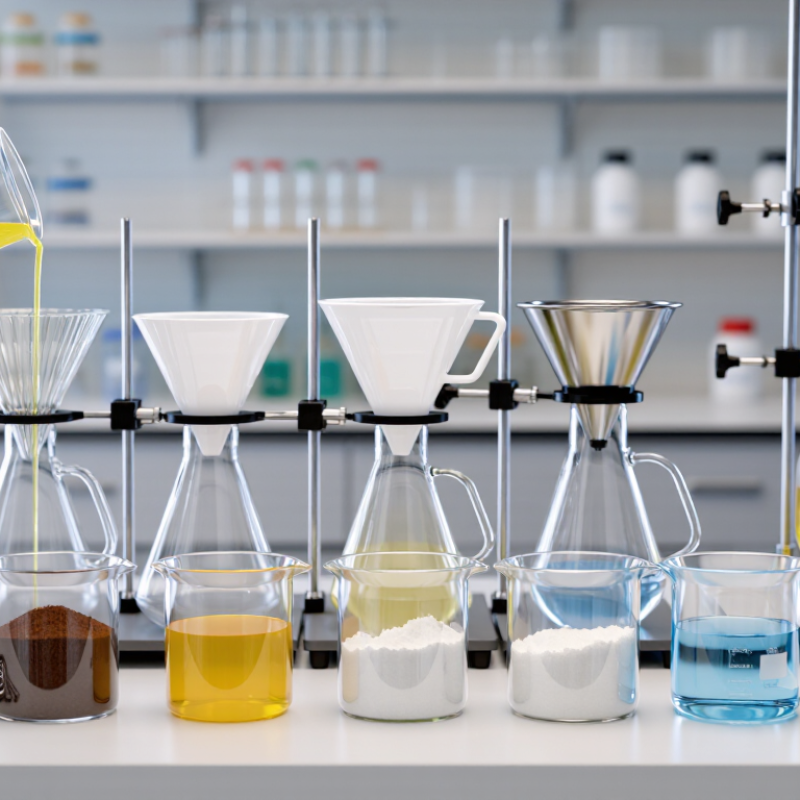
How to Choose the Right Filter Funnel in 2026?

What a Filter Funnel Is and How It Works

How to Choose the Right Filter Funnel in 2026?

What a Filter Funnel Is and How It Works

A filter funnel separates solid particles from a liquid through a porous filter medium. The funnel supports the filter paper while gravity or vacuum moves liquid downward. The solid residue remains on the paper surface.

In routine laboratory work, I have found that paper shape matters more than expected. A properly folded filter should sit closely against the funnel walls. Gaps can allow particles to bypass the paper. A wet filter also seals better and reduces early leakage.

Gravity filtration is gentle and useful for larger particles or heat-sensitive liquids. Vacuum filtration works faster because reduced pressure pulls liquid through the filter. It needs a funnel designed for vacuum use, plus compatible glassware and secure connections. Do not assume every funnel can handle pressure differences.

Choose the filter medium by particle size, liquid temperature, and chemical compatibility. Coarse paper improves flow but may miss fine particles. Fine paper gives clearer filtrate, although filtration takes longer. For hot liquids, select materials rated for the working temperature.

Small details matter.

Before choosing a funnel, estimate the liquid volume and residue amount. A narrow funnel may clog quickly. An oversized one can waste filter paper and leave the liquid spread thinly. I once selected a funnel by diameter alone, and the slow drainage exposed that mistake. Practical testing remains valuable, especially when viscosity, sediment, or temperature changes during the process.

Which Filter Funnel Materials Fit Different Liquids

Choosing a filter funnel in 2026 starts with the liquid, not the funnel shape. A 2024 MarketsandMarkets report valued the liquid filtration market at about USD 19.6 billion and projected steady growth through 2028. That expansion reflects stricter laboratory and industrial separation needs. Material compatibility still matters more than market size.

For water, dilute acids, and mild alkaline solutions, polypropylene offers useful chemical resistance and low breakage risk. Borosilicate glass suits hot liquids and many organic solvents, but sudden temperature changes can crack it. PTFE is safer for aggressive solvents and highly corrosive liquids. It costs more. Cellulose filter paper works well for routine gravity filtration, sediment, and aqueous samples. Strong acids can weaken it. Nylon provides fast filtration for many water-based liquids, yet it may adsorb proteins or other sensitive compounds. A 2023 technical review in Separation and Purification Technology reported that membrane choice can alter recovery because adsorption and pore wetting affect results. Check twice.

In practice, I test a small sample before filtering a full batch. Watch for swelling, softening, color change, or a slower flow rate. ASTM chemical-resistance guidance also recommends evaluating exposure time, temperature, and concentration together. I once focused only on solvent type and missed temperature. That was careless. A funnel rated for room-temperature handling may fail near a heated vessel. Select the body and filter medium separately, then record the liquid’s composition, temperature, and contact time.

How to Choose the Right Filter Funnel in 2026? - Which Filter Funnel Materials Fit Different Liquids

The compatibility index uses a general 1–5 scale, where 5 indicates excellent suitability and 1 indicates poor suitability for routine filtration. PTFE offers the broadest chemical resistance, borosilicate glass is suitable for many solvents and laboratory liquids, while polypropylene and HDPE are practical choices for aqueous solutions and dilute acids or bases. Always verify the specific chemical concentration, temperature, pressure, and exposure time before use. Hydrofluoric acid requires specialist material selection because it attacks glass.

How to Match Funnel Size, Shape, and Filter Capacity

Choosing a filter funnel in 2026 requires more than matching its diameter to a flask. Funnel geometry controls flow, stability, and usable filter area.

Grand View Research’s 2024 laboratory filtration market analysis projects roughly 7% annual growth through 2030. That expansion reflects higher demand for repeatable sample preparation and efficient liquid handling.

For routine gravity filtration, a narrow, conical funnel usually directs liquid cleanly. A wider body suits larger filter papers and higher volumes. Do not oversize it. Excess surface area can slow filtration when the paper remains poorly supported.

Match the funnel diameter to the filter paper, leaving a small, even margin. The paper should sit below the rim, not fold against the wall. Capacity matters too. A 100-millilitre funnel is practical for small batches, while larger volumes need stronger support and a stable receiving vessel.

MarketsandMarkets reported continued growth in laboratory consumables, driven partly by quality-control testing and reproducible workflows. That sounds convincing, but real performance still depends on viscosity, solids, and filter pore structure.

In practice, test one full cycle before purchasing many units. I once focused too heavily on capacity and overlooked cleaning time. That was an expensive correction. Document flow time, retained liquid, and transfer loss. Then compare results against your laboratory’s written procedure and applicable ISO guidance.

How Filtration Speed and Precision Affect Your Choice

How to Choose the Right Filter Funnel in 2026?

How Filtration Speed and Precision Affect Your Choice

Choosing a filter funnel starts with the sample, not the equipment catalog. A fast funnel can save time, but speed may reduce clarity when particles overload the filter. In my laboratory experience, viscosity and solids content often matter more than advertised flow rates. A narrow funnel supports controlled transfer. A wider design usually handles larger volumes with fewer interruptions.

Precision depends on stable filtration conditions. Match the pore size to the particles you need to remove. Check chemical compatibility before filtering acidic, alkaline, or solvent-based samples. Vacuum assistance can improve speed, but excessive pressure may deform the filter or pull unwanted particles through. Gentle gravity filtration is slower. It can protect delicate samples.

Small details matter. Keep the funnel stem centered over the receiving vessel. Wet the filter when the method allows it. This reduces bypass around the edges. I have sometimes chosen a faster setup and regretted it after seeing uneven filtrate. That mistake changed my testing routine. I now compare flow time, filtrate clarity, sample recovery, and clogging across several trials. One trial is not enough. Record temperature, volume, filter condition, and pressure. These notes make the final choice more defensible, especially when repeatability matters more than impressive speed.

How to Clean, Store, and Replace a Filter Funnel

Choosing the right filter funnel in 2026 involves more than size and capacity. Cleaning and storage strongly affect its performance. After each use, rinse the funnel with lukewarm water before residue hardens. Rinse it immediately.

Use a soft brush for fine pores, especially around the mesh and narrow outlet. Avoid needles, metal scrapers, and aggressive scouring pads. They can enlarge openings or damage the filtering surface. For oily residue, use a small amount of mild, unscented detergent. Rinse until no slippery feeling remains. My own mistake was storing one too soon after washing. It developed a stale smell within days.

Dry the funnel completely before storage. Hold it toward a light source and inspect the outlet for trapped particles. Place it upright on a clean, ventilated rack. Do not seal a damp funnel inside a drawer or container. Moisture encourages odors and may affect some materials. Keep mesh surfaces from rubbing against heavier tools. A simple storage pouch can help, but only after full drying.

Check the rim, seams, and filtering surface regularly. Replace the funnel if it cracks, warps, becomes brittle, or stays blocked after careful cleaning. A slow flow is a warning, not always a replacement signal. Sometimes the problem is compacted residue. I record cleaning dates when the funnel is used frequently. This habit is useful, although I occasionally forget. Follow the material’s care instructions, because heat tolerance and chemical resistance vary between funnels.

How to Choose the Right Filter Funnel in 2026? - How to Clean, Store, and Replace a Filter Funnel

Decision or Care Area Key Dimension Typical Options or Range Recommended Selection or Procedure Practical Reason
Application Filtration method Gravity filtration, vacuum filtration, or pressure-assisted filtration A gravity funnel is not designed to provide the sealing surface or mechanical support required for most vacuum systems.
Capacity Liquid volume Approximately 30 mL to 2,000 mL for common laboratory funnels Extra headspace helps prevent overflow and reduces the need to stop and refill the funnel.
Filter Diameter Filter paper or membrane size Common diameters include 47 mm, 90 mm, 110 mm, and 125 mm The correct diameter promotes even flow and helps prevent bypass around the filter medium.
Funnel Geometry Wall angle and stem length Steep walls for rapid drainage; short or long stems for different receiving vessels Correct positioning reduces splashing, improves drainage, and lowers the risk of accidental contact contamination.
Material Chemical and thermal resistance Glass, polypropylene, polyethylene, PTFE, or stainless steel Material compatibility depends on the liquid, temperature, exposure time, and mechanical stress.
Temperature Operating and cleaning temperature Ambient use; elevated temperatures only when permitted by the material Check the material manufacturer's temperature limits before using hot liquids, autoclaves, or heated cleaning solutions. Some plastics soften, deform, or lose dimensional stability when exposed to excessive heat.
Compatibility Liquid, solvent, and cleaning-agent resistance Depends on the funnel material and the chemical exposure A funnel may resist the filtered liquid but still be damaged by a cleaning solvent or disinfectant.
Routine Cleaning Basic cleaning sequence Remove residue, rinse, wash, rinse again, and dry Prompt cleaning prevents residues from drying and becoming more difficult to remove.
Detailed Cleaning Clogged stem or fine residue Soaking, soft brushing, or compatible ultrasonic cleaning Scratches and small cracks can trap contaminants and weaken glass or plastic components.
Sterilization Microbiological control Autoclaving, chemical disinfection, or dry heat, depending on material Sterilize only when the funnel material and attached components are rated for the selected method. Not every plastic, seal, filter support, or adhesive connection can withstand steam or dry heat.
Drying Moisture removal Air-drying, lint-free wiping, or filtered-air drying Residual moisture can promote microbial growth, dilute the next sample, or affect filtration results.
Storage Position and environment Clean, dry, covered, and protected from impact or dust Proper storage reduces breakage, dust accumulation, deformation, and accidental cross-contamination.
Inspection Condition before use Check for cracks, chips, warping, discoloration, blocked passages, and worn seals Small defects can cause leaks, poor filtration, contamination, or sudden failure during vacuum operation.
Replacement Damage or performance change No universal calendar interval; replace according to condition and application Service life varies with material, chemical exposure, temperature, cleaning method, and frequency of use.
Filter Media Paper or membrane replacement Replace after each filtration cycle unless the procedure explicitly permits reuse Reusing filter media can transfer residue, change flow characteristics, and compromise the next sample.
Vacuum Use Sealing and pressure safety Use only with components rated for vacuum service Inspect glassware, seals, clamps, and the receiver before applying vacuum; do not use visibly damaged components. Vacuum places mechanical stress on the system and increases the consequences of cracks or poor connections.
Selection Summary Most important criteria Capacity, filter diameter, material, chemical compatibility, temperature, and filtration method A correctly sized and compatible funnel generally provides better control, easier cleaning, and more reliable filtration.

Safety note: Always follow the laboratory procedure, chemical safety data, and the funnel material's compatibility and temperature limits. When requirements conflict, use the more conservative operating limit.

'