How to Achieve Effective Sound Proofing in Your Home or Office
In today's bustling world, creating a serene environment in our homes or offices can be a significant challenge. With noise pollution on the rise, effective sound proofing has become essential for enhancing comfort and productivity. Renowned acoustics expert Dr. Emily Carter emphasizes the importance of this issue, stating, "Effective sound proofing is not just about reducing noise; it is about creating a space that allows you to focus and thrive." As we navigate through the myriad of options available, understanding the fundamentals of sound proofing can help us achieve that desired tranquility.
The process of sound proofing involves a systematic approach to minimizing sound transmission between spaces. This includes utilizing various materials, techniques, and design strategies that specifically target noise reduction. Whether you're a homeowner seeking to eliminate disruptive sounds from outside or a business owner aiming to foster a conducive work environment, mastering sound proofing techniques can lead to significant benefits. By exploring and implementing effective sound proofing solutions, we can transform our surroundings into peaceful retreats that enhance our overall quality of life.
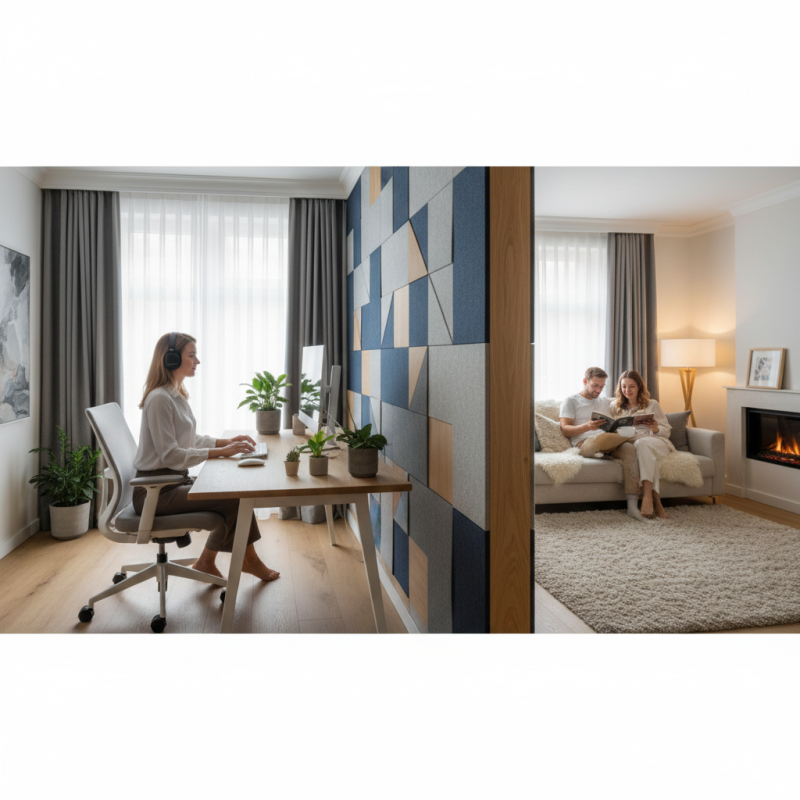
Understanding the Basics of Sound Proofing Techniques
Effective soundproofing is crucial for creating a peaceful environment in both homes and offices. Understanding the basics of soundproofing techniques begins with recognizing the types of sound one aims to block: airborne sound, such as voices or music, and impact sound, such as footsteps or furniture movement. To effectively tackle these issues, one can employ various strategies, including the use of acoustic panels, soundproofing materials, and structural modifications. According to a report from the National Institute of Occupational Safety and Health (NIOSH), approximately 30% of workers in open-office environments report dissatisfaction with workplace noise levels, highlighting the importance of soundproofing in enhancing productivity and well-being.
Incorporating mass, damping, and decoupling techniques can significantly improve sound isolation. Adding mass involves increasing the weight of walls through materials such as gypsum board, while damping can be achieved by using products that absorb vibrations. The use of decoupling methods, like resilient channels, helps to disrupt sound transmission between surfaces. A study published by the Journal of Acoustical Society of America indicates that sound levels can be reduced by as much as 45 dB when these methods are properly implemented. By understanding and utilizing these foundational techniques, individuals can create quieter, more focused spaces that contribute to improved comfort and efficiency in daily activities.
How to Achieve Effective Sound Proofing in Your Home or Office
| Sound Proofing Technique |
Effectiveness Rating |
Cost Estimate |
Installation Complexity |
| Acoustic Panels |
8/10 |
$200 - $500 |
Moderate |
| Soundproof Windows |
9/10 |
$1,000 - $3,000 |
High |
| Soundproof Doors |
7/10 |
$500 - $1,200 |
Moderate |
| Mass Loaded Vinyl |
8.5/10 |
$2 - $3 per square foot |
Easy |
| Insulation Material |
7.5/10 |
$0.50 - $2 per square foot |
Moderate |
Identifying Common Sources of Noise in Homes and Offices
In both home and office environments, unwanted noise can be a significant source of distraction and stress. According to a report by the World Health Organization, excessive noise pollution can lead to various health problems, including increased anxiety, sleep disturbances, and even cardiovascular issues. Common sources of noise in these settings include traffic sounds, loud appliances, neighboring conversations, and electronic devices. Understanding these sources is the first step in addressing soundproofing effectively.
To tackle these noisy intrusions, one effective approach is to identify the specific areas where noise penetrates the space. For instance, windows, doors, and thin walls are common culprits. According to a study published by the Acoustical Society of America, sound can penetrate through poorly insulated walls, causing significant disturbances. Implementing measures such as weather stripping for doors, sealing gaps around windows, and using thick curtains can drastically reduce noise levels.
Tips: Adding rugs or carpets can significantly dampen sound reverberation in a room, making it quieter. Additionally, incorporating soundproofing panels or acoustic tiles can dramatically improve sound quality in offices and homes alike. By taking these measures, you can create a more serene environment conducive to productivity and relaxation.
Noise Sources in Homes and Offices
Choosing the Right Materials for Effective Sound Insulation
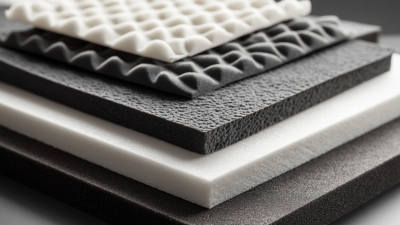
Effective sound insulation is essential for creating a peaceful environment in both homes and offices. One key factor in achieving optimal soundproofing lies in selecting the right materials. According to a report by the National Research Council, sound insulation materials can reduce noise transmission by as much as 90%, depending on the density and composition of the materials used. Common choices for soundproofing include acoustic panels, soundproof curtains, and foam insulation. Each of these materials has unique properties that cater to different noise-reducing needs.
When choosing materials, it’s vital to consider not only their sound absorption capabilities but also their installation requirements. Thick carpets and heavy drapes can significantly dampen sound waves, especially in rooms where echoes are prevalent. For more permanent solutions, dense drywall or specialized acoustic tiles can be installed. A study from the Journal of Architectural Acoustics notes that layered wall systems can provide superior sound isolation compared to traditional construction methods.
Tips: When undertaking a soundproofing project, start by assessing the specific noise issues in your space. This will help guide your choice of materials. Additionally, consider combining different types of soundproofing materials for better results—such as using foam panels in conjunction with heavy drapes. Always ensure that the materials you select are installed correctly, as improper installation can negate their effectiveness.
Implementing Sound Proofing Solutions in Doors and Windows
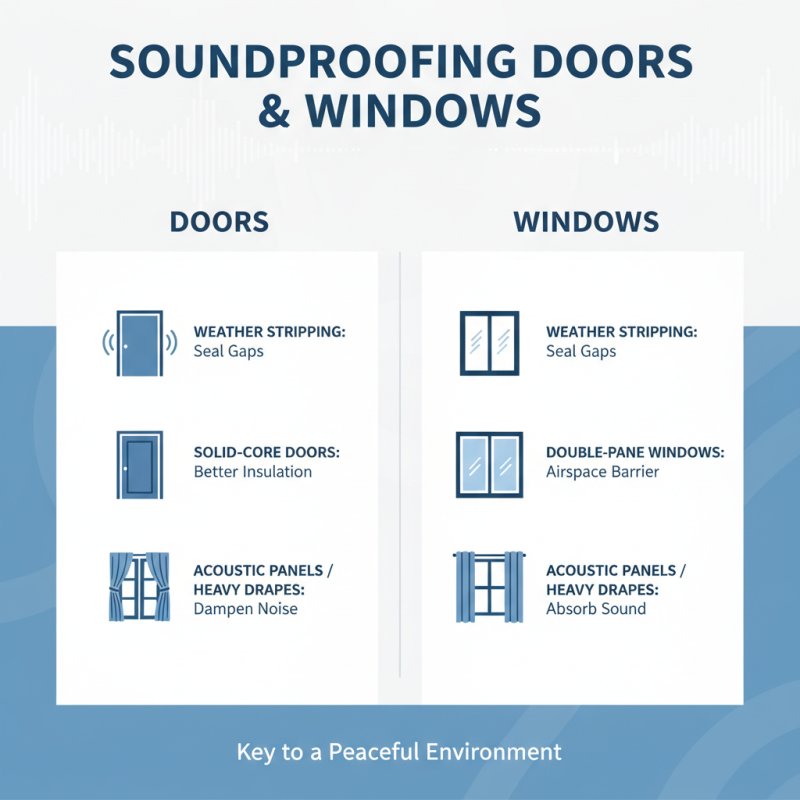
When it comes to soundproofing your home or office, the focus on doors and windows is paramount, as they are common points of sound leakage. To begin with, using weather stripping around doors can significantly reduce noise intrusion. This simple addition seals the gaps between the door frame and the door itself, preventing sound waves from penetrating. Additionally, consider upgrading to solid core doors, which provide better sound insulation compared to hollow-core doors. For those with French or sliding doors, installing acoustic panels or heavy drapes can further dampen noise, creating a more peaceful environment.
Windows are another critical aspect of soundproofing. Double-glazed windows are highly effective for blocking out external noise; they consist of two panes of glass with space in between that acts as an insulation barrier. However, if you are not ready to replace your windows, there are alternative solutions. Adding thick, heavy curtains or acoustic window films can enhance soundproofing by absorbing sound waves. Another useful technique is to use window inserts, which are clear panels that fit snugly over your existing windows and provide an additional layer of insulation. By implementing these strategies, you can create a quieter and more serene space in both your home and office.
Maintaining and Upgrading Your Sound Proofing Over Time
To effectively maintain and upgrade your soundproofing, it is essential to regularly assess the condition of your existing materials and methods. Over time, wear and tear can reduce the effectiveness of sound barriers, allowing unwanted noise to seep into your living or working space. Performing an annual inspection can help you identify areas where the materials may have degraded, such as gaps in seals, cracks in walls, or worn-out acoustic panels. Addressing these issues promptly not only enhances soundproofing efficiency but also improves overall energy conservation in your home or office.
Upgrading soundproofing involves exploring newer technologies and materials that might provide superior performance compared to older systems. Innovations in soundproofing products, such as advanced acoustic panels or noise-canceling technology, can significantly improve noise reduction. Consider incorporating a combination of different strategies, such as adding rugs, heavy curtains, or additional insulation, to create a multi-layered approach to soundproofing. Remember that effective soundproofing is not a one-time task, but rather a continuous process of monitoring and enhancement to ensure a quiet and comfortable environment.


 '
'
