How to Choose the Best Recycling Baler Machine from China?
Choosing the best Recycling Baler Machine from China requires more than comparing prices or browsing product photographs. The right choice begins with your material, daily volume, bale size, available floor space, and power supply. Cardboard, plastic bottles, textile waste, and metal scrap require different compression forces and feeding systems. A machine that performs well in a busy warehouse may struggle in a small recycling center.
“Baler selection should follow the material flow, not the sales brochure,” says Li Wei, a recycling equipment engineer with more than fifteen years of factory and commissioning experience. His point is practical. Ask for tested bale samples, not only catalog specifications. Check the chamber dimensions, hydraulic pressure, cycle time, wire or strap system, and motor efficiency. Request videos showing similar materials under continuous operation. Small details matter, such as door clearance and safe access for maintenance.
A dependable Chinese supplier should provide clear technical drawings, inspection records, spare-parts support, and operator training. Factory audits can reveal welding quality, hydraulic cleanliness, electrical standards, and assembly discipline. However, no supplier is perfect. Some advertised capacities are optimistic. Some buyers also underestimate installation space and service delays. That deserves honest reflection.
This guide explains how to compare manufacturers, verify performance, estimate ownership costs, and avoid common purchasing mistakes. It also considers communication, customization, warranty terms, and after-sales support. A lower purchase price may look attractive. Yet a poorly matched Recycling Baler Machine can create longer downtime, inconsistent bales, and unnecessary labor. The best decision is balanced, evidence-based, and suited to your actual recycling operation.
What Is a Recycling Baler Machine and How Does It Work?
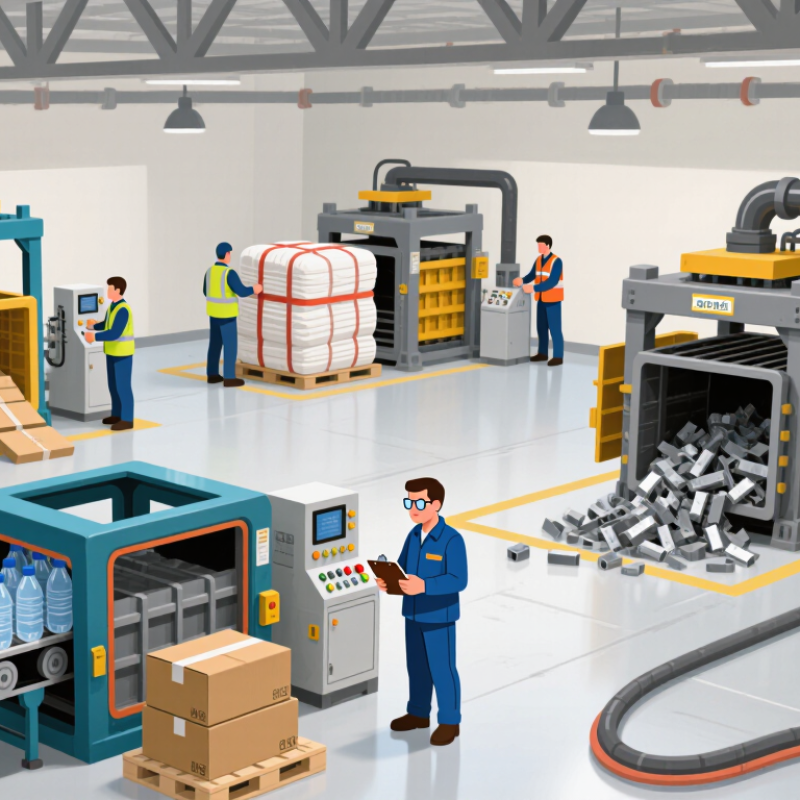
A recycling baler machine compresses loose recyclable materials into dense, manageable bales. Common inputs include cardboard, paper, plastic film, and textile scraps. Its chamber uses a hydraulic ram to apply controlled pressure. The material is then tied with wire, strapping, or approved binding material. The finished bale is easier to store, weigh, transport, and process.
In daily operation, moisture and contamination affect performance more than many buyers expect. Wet cardboard may produce unstable bales. Long plastic film can also wrap around moving parts.
A reliable machine should match your material type, daily volume, bale dimensions, and available floor space. Check the motor power, hydraulic system, chamber size, cycle time, safety interlocks, and emergency stop function. Ask the Chinese supplier for test videos using your actual material, not only clean factory samples.
A specification sheet is not enough. During factory evaluation, inspect welds, cylinder movement, electrical cabinets, and spare-parts availability. Request installation instructions, maintenance records, and a clear warranty.
The first capacity estimate is often wrong. Leave extra room for peak-season material and operator delays. A lower purchase price can become expensive if seals, sensors, or training are difficult to obtain.
I would also compare noise, feeding height, and bale density before choosing, because small operating details shape long-term productivity.
How to Match Baler Specifications with Your Recycling Needs
How to Choose the Best Recycling Baler Machine from China?
Matching a baler to your recycling work starts with the material, not the machine’s advertised power. Cardboard, plastic bottles, textiles, and metal cans need different chamber pressures and feeding designs. Record your daily volume in kilograms, then measure peak loads during busy hours. A machine rated for average output may struggle at 5 p.m.
Check the required bale size before comparing models. A 1,100 × 700 mm bale may fit your storage racks, while a larger bale could reduce handling costs. Chamber dimensions, ram force, cycle time, and tying method should match your forklift and transport systems. Consider moisture, contamination, and material expansion. These details are easy to overlook. I have seen buyers focus on motor power, then discover that the finished bales were too heavy for manual movement. That mistake is expensive.
Tips: Ask for a trial using your actual materials. Request videos showing the feeding process and bale release. Confirm electrical requirements, safety guards, spare parts, and service response times in writing. A factory test report is useful, but it should not replace an independent inspection. Leave space around the machine for cleaning and maintenance. China-based suppliers can offer practical customization, yet unclear specifications may create delays. Recheck every measurement. Small errors become daily problems.
How to Choose the Best Recycling Baler Machine from China?
Match baler specifications with your recycling material, bale size, and required throughput.
The chart compares typical planning ranges for common recyclable materials. Choose a baler according to the required bale weight and hourly throughput: cardboard and paper usually need higher throughput, while PET bottles and mixed plastics may require lower-density or specialized feeding systems. Actual specifications vary with material moisture, contamination, feeding method, bale density, and automation level.
Indicative industry planning ranges; confirm final chamber dimensions, compression force, motor power, and capacity with the equipment supplier.
What to Evaluate When Choosing a Chinese Baler Manufacturer
How to Choose the Best Recycling Baler Machine from China?
Choosing a Chinese baler manufacturer requires more than comparing machine prices. Start by checking engineering experience, production capacity, and experience with materials similar to yours. Cardboard, plastic film, and textile waste require different chamber designs, pressure settings, and tying systems.
Ask for detailed drawings, electrical specifications, safety documents, and a complete list of included parts. A reliable manufacturer should explain hydraulic pressure, cycle time, bale density, and power consumption clearly. Vague answers deserve attention. Request a live factory video or arrange an independent inspection. Look for organized assembly areas, labeled components, clean hydraulic lines, and testing records.
Test the machine with your actual material whenever possible. A demonstration using neat, dry feedstock may not reflect daily conditions. Ask for bale samples showing size, weight, stability, and wire or strap performance. Review warranty coverage, spare-part availability, installation guidance, and response times before ordering. I once focused too heavily on the initial quotation and overlooked shipping dimensions and replacement seals. That mistake increased the real cost.
Small details matter. Can operators read the control panel easily? Are emergency stops accessible? Does the manufacturer provide manuals in clear English? Speak with previous customers, but verify their operating conditions and workload. A factory may have strong technical skills yet weak communication. That difference can delay troubleshooting. Choose the supplier whose documentation, testing process, and after-sales support remain dependable under practical pressure.

 '
'
