What Is PU Leather Material and Is It Durable?

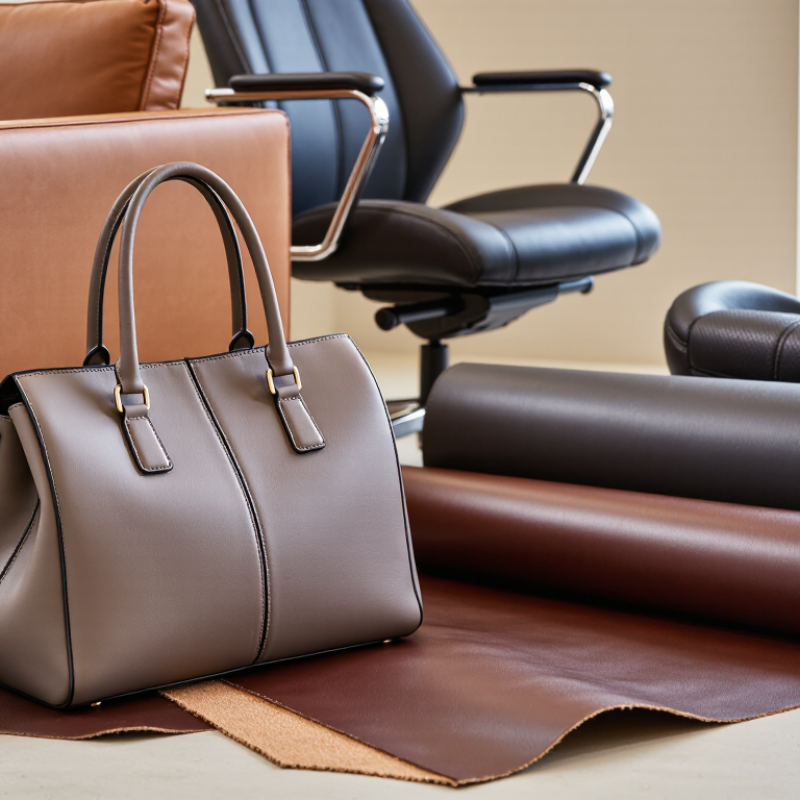
PU Leather Material appears in handbags, sofas, car interiors, shoes, and office chairs. It usually combines a textile backing with a polyurethane surface coating. The result can look smooth, textured, or convincingly grainy. It is not the same as full-grain leather.

Market reports show strong demand. Grand View Research valued the global synthetic leather market at approximately USD 32.3 billion in 2022. It projected a 7.4% compound annual growth rate from 2023 to 2030. Fortune Business Insights also expects continued growth, although its figures differ because market definitions vary. That difference matters. Statistics need context, not blind confidence.

“ There is no such thing as a sustainable material, only more or less sustainable choices,” says Dr. Richard Blackburn, a textile sustainability researcher. His observation also applies to PU Leather Material. A low-cost coating may reduce animal use, yet it can crack, peel, or hydrolyze under heat and moisture. Some products perform well for years. Others fail within months.

Durability depends on coating thickness, backing strength, manufacturing quality, and daily handling. A sofa beside a sunny window faces harsher conditions than a lightly used handbag. Abrasion testing under ISO 5470-2 or Martindale testing under EN ISO 12947 can provide useful evidence. However, laboratory results cannot perfectly predict real homes, cars, or shops. That is the uncomfortable part.

Care still matters. Keep the surface dry, avoid harsh solvents, and wipe away sweat or oils. Buyers should ask for abrasion results, hydrolysis resistance, warranty terms, and care instructions. This article examines what PU Leather Material is, how long it may last, and where its practical limits become visible.
What Is PU Leather Material and Is It Durable?

PU Leather: Definition, Composition, and Manufacturing Process

PU leather, or polyurethane leather, is a coated textile rather than a full-grain animal hide. Its structure usually combines polyester or cotton backing with a polyurethane polymer film. Manufacturers prepare the fabric, apply one or more PU layers, then cure and emboss the surface. Pigments create color, while printed grains imitate pores, wrinkles, or pebbled texture. Water-based systems can reduce solvent use, but performance depends on formulation and factory controls. The process is industrial, not magical. Grand View Research’s 2024 Synthetic Leather Market report valued the global market at approximately USD 31.3 billion in 2023. That figure includes several synthetic materials, so it should not be treated as PU-only data.

Durability depends on film thickness, resin quality, backing strength, seam design, and daily exposure. A well-made PU surface can resist light spills and routine abrasion. However, heat, strong sunlight, body oils, and repeated flexing may cause peeling or cracking. This weakness is often underestimated. MarketsandMarkets reported continued growth in synthetic leather demand, but market forecasts vary because researchers define product categories differently. Laboratory evaluation may include abrasion, flexing, hydrolysis, and coating adhesion tests. Buyers should request test methods, cycle counts, and failure criteria instead of trusting “premium” wording. In practical inspections, a soft hand feel can mislead; the hidden backing and bonding quality often matter more. Even careful testing cannot perfectly predict years of household use.

Key Differences Between PU Leather and Genuine Leather

PU leather, or polyurethane leather, usually combines a fabric backing with a plastic coating. Its surface can look smooth, even, and surprisingly realistic. Genuine leather is made from animal hide, so its grain, pores, and texture vary naturally. That difference affects both appearance and aging.

From my experience inspecting bags, chairs, and car interiors, PU leather is easier to clean. A damp cloth often removes everyday spills. However, heat, sunlight, and repeated bending can make its coating crack or peel. Genuine leather usually costs more and needs conditioning, but it can develop a softer patina over time. It may also resist wear better when properly maintained. Still, genuine leather is not automatically durable. Poor tanning, thin construction, or neglected moisture can cause damage. Material labels can be confusing, too. “Leather finish” does not always mean the whole item is genuine leather.

Tips: Check the edges and underside before buying. PU often shows a uniform fabric backing, while genuine leather usually has a fibrous, less perfect edge. Press the surface gently and examine its recovery. For PU items, avoid strong solvents and direct heat. For genuine leather, use a suitable conditioner sparingly. I once trusted a convincing texture and ignored the thin seams; that mistake changed my view. Construction matters almost as much as the material.

Types and Common Applications of PU Leather

PU leather, or polyurethane leather, uses a fabric backing coated with a synthetic polyurethane layer. It can imitate the grain of natural leather at a lower cost. It feels smooth, flexible, and often lighter than animal hide. Standard PU usually has a thinner coating and suits everyday products. Microfiber PU uses a denser backing, giving it better strength and a more leather-like hand feel. Water-based PU may reduce strong odors, although performance depends on the manufacturing process.

These types appear in many practical settings. Furniture makers use PU leather for sofas, dining chairs, office seats, and headboards. Its even surface makes wiping spills relatively easy. Bag and footwear manufacturers value its consistent color and shape. It also appears on wallets, jackets, notebook covers, and vehicle interiors. Microfiber PU is more suitable for items that receive frequent bending or rubbing, such as seat panels and shoe uppers. Small flaws matter. A glossy coating can look attractive but may reveal scratches quickly.

Durability depends on coating thickness, backing quality, stitching, sunlight, humidity, and daily use. In a busy home, a PU sofa may develop peeling near armrests after several years. Direct sunlight can accelerate fading and surface cracking. Gentle cleaning helps, but harsh solvents may damage the finish. I have found that regular dust removal prevents grit from acting like sandpaper. Still, PU leather is not maintenance-free. Some products age unevenly, and repair can be difficult once the coating separates from the fabric. Checking flexibility, seam strength, and surface adhesion before purchase gives a more reliable quality assessment.

Durability, Performance, and Factors Affecting Its Lifespan

What Is PU Leather Material and Is It Durable?

PU leather is a synthetic material made by applying polyurethane to a fabric backing. Its surface can look smooth, textured, or convincingly grainy. It is lighter and often more flexible than traditional leather. In practical upholstery checks, PU leather feels soft at first, but surface quality varies widely between products. A thicker coating usually resists wear better. However, thickness alone does not prove long service life.

Durability depends on abrasion, stretching, sunlight, humidity, and daily contact with skin or clothing. A chair used for eight hours daily may show cracking sooner than a decorative cushion. Sweat, body oils, and harsh cleaners can weaken the coating. Heat can also make the surface dry and brittle. Some PU materials experience hydrolysis, where moisture slowly breaks down the polyurethane layer. The damage may appear as peeling or a sticky finish. It can happen earlier than expected.

Care makes a measurable difference. Wipe spills quickly with a soft, damp cloth, then dry the surface completely. Avoid bleach, alcohol-based cleaners, rough sponges, and prolonged direct sunlight. Keep furniture away from radiators and damp walls. Check the manufacturer’s cleaning guidance before applying any product. My own view is slightly cautious: PU leather can perform well for several years, but “durable” is not a fixed promise. Construction, use, and maintenance matter more than appearance alone. Even careful owners may eventually see wear.

What Is PU Leather Material and Is It Durable? — Durability, Performance, and Factors Affecting Its Lifespan
Data Dimension Typical Characteristics of PU Leather Performance or Durability Assessment Important Considerations
Material Structure PU leather is generally made by applying a polyurethane coating to a textile or other backing material. Some products use a split-leather backing, while others are entirely synthetic. Consistent surface The backing, coating thickness, surface finish, and manufacturing quality strongly affect performance. “PU leather” does not describe one identical material grade.
Appearance and Texture It can be embossed and finished to resemble the grain, color, and texture of animal leather. Good visual versatility High-quality PU can look realistic when new, but surface texture and gloss may change as the coating ages or wears.
Typical Service Life Common consumer products may remain usable for approximately 2–5 years under regular indoor use. Use-dependent Furniture used heavily, exposed to heat or sunlight, or cleaned with unsuitable chemicals may deteriorate sooner. Carefully used products can last longer.
Abrasion Resistance PU surfaces can withstand ordinary rubbing, but repeated friction gradually removes or weakens the coating. Moderate Seat edges, armrests, handles, and other high-contact areas usually show wear first. Commercial-use requirements should be checked against verified test results.
Peeling and Flaking Risk Hydrolysis, heat, humidity, body oils, and repeated flexing can cause the polyurethane layer to crack, peel, or flake. Main failure mode Peeling is usually deterioration of the coating rather than a simple surface scratch. Once the coating begins to delaminate, spot repair may be difficult.
Water Resistance The coated surface generally resists brief contact with spills better than uncoated fabric. Good for light spills It is water-resistant, not necessarily waterproof. Liquids can enter through seams, edges, perforations, or damaged areas and should be wiped away promptly.
Breathability Breathability is usually lower than that of porous full-grain leather, although perforation and backing design can improve airflow. Low to moderate Non-perforated PU may feel warmer or less comfortable during extended contact, especially in hot conditions.
Flexibility PU can be soft and flexible when new, allowing it to bend around furniture, bags, footwear, and upholstery forms. Good initially Low temperatures, aging, and repeated bending may reduce flexibility and contribute to surface cracking.
Temperature and Sunlight Stability Prolonged heat, ultraviolet exposure, and rapid temperature changes can accelerate fading, drying, cracking, and coating breakdown. Sensitive Keep PU products away from radiators, heaters, hot windows, and strong direct sunlight whenever possible.
Cleaning Compatibility A soft cloth lightly dampened with water is generally suitable for routine cleaning. Easy maintenance Avoid abrasive pads, bleach, strong solvents, alcohol-based cleaners, and excessive water unless the care instructions specifically permit them.
Resistance to Oils and Sweat Skin oils, perspiration, cosmetics, and dirt can gradually affect the finish and weaken the coating in frequently contacted areas. Moderate Regular gentle cleaning and drying can reduce residue buildup, especially on seating, steering-wheel covers, bags, and frequently handled items.
Repairability Minor scratches or small surface defects may sometimes be recolored or patched, but widespread peeling is difficult to restore permanently. Limited Repair results depend on the coating condition, color match, flexibility of the repair material, and size of the damaged area.
Best-Suited Applications Suitable for decorative upholstery, fashion accessories, headboards, occasional-use seating, and products where uniform appearance and easy cleaning are priorities. Good for moderate use For intensive commercial seating, outdoor exposure, or areas with constant friction, confirm the product’s abrasion, flexing, lightfastness, and hydrolysis test data.
Key Factors Affecting Lifespan Material grade, coating formulation, backing quality, coating thickness, usage frequency, friction, humidity, heat, sunlight, cleaning method, and maintenance routine. Highly variable Durability cannot be judged by the term “PU leather” alone. Product specifications, intended-use rating, and care instructions provide more reliable guidance.
Overall Durability Verdict PU leather offers a practical balance of appearance, cost, water resistance, and easy maintenance, but its coated surface has a finite aging cycle. Moderate overall durability It can be a sensible choice for controlled indoor use and moderate contact, but it is less suitable where long-term abrasion, high humidity, heat, or intense sunlight is unavoidable.
Note: Lifespan estimates are general ranges, not guarantees. Actual performance depends on the specific PU formulation, construction quality, environment, usage intensity, and maintenance.

Care, Maintenance, and Environmental Considerations for PU Leather

PU leather is usually a polyurethane surface bonded to a textile backing, not animal hide. Its durability depends on coating thickness, flexing, humidity, heat, and cleaning habits. In practical upholstery testing, abrasion can look excellent while hydrolysis later causes peeling. That failure is often missed. ISO 1419 hydrolysis testing and ASTM D4966 abrasion testing provide useful evidence, but neither predicts every home environment.

Wipe spills quickly with a soft, slightly damp cloth. Use mild soap only when necessary, then remove residue completely. Avoid alcohol, bleach, acetone, abrasive sponges, and prolonged sunlight. Keep cushions away from radiators and damp walls. Do not over-clean. Repeated scrubbing can damage the top film faster than ordinary use. A monthly inspection can reveal sticky surfaces, fine cracks, or edge lifting before the damage spreads. Care labels still matter; generic advice cannot replace tested material instructions.

Environmental performance requires careful reading. UNEP’s 2023 textile report estimates that textiles create 2–8% of global greenhouse-gas emissions. Textile Exchange reported approximately 124 million tonnes of global fiber production in 2023, showing the scale of synthetic material demand. PU leather uses polymer chemistry and may combine layers that are difficult to separate during recycling. Water-based PU can reduce solvent emissions compared with some solvent-borne processes, but it is not impact-free. Asking for recycled content, production chemistry, abrasion results, and hydrolysis data is more reliable than trusting “eco” wording. Durability may reduce replacement frequency, yet that benefit depends on real care and repairability.

PU leather is a polyurethane-coated textile rather than genuine animal leather. The care intervals shown are practical guidelines: remove dust weekly, wipe the surface about monthly, inspect for peeling or cracking twice a year, and clean spills immediately. Actual durability depends on coating quality, humidity, heat, UV exposure, friction, and cleaning products. PU leather is water-resistant but may suffer hydrolysis in warm, humid conditions, and its plastic-based construction makes recycling and biodegradation more difficult.

'