Top 10 Sound Deadening Panels for a Quieter Home Environment
Creating a serene home environment is a desire shared by many, and one of the most effective solutions to achieving this tranquility is through the use of sound deadening panels. These specially designed panels help to absorb sound vibrations, significantly reducing noise pollution and creating a more peaceful living space. In a world where urban noise and disturbances can easily disrupt our daily lives, incorporating sound deadening panels into your home can be a game-changer.
The benefits of sound deadening panels extend beyond mere noise reduction; they also contribute to enhanced privacy and improved acoustics within a room. Whether you are aiming to create a quiet home office, a media room, or simply wish to enjoy uninterrupted relaxation, these panels offer a versatile and stylish solution. In this article, we will explore the top ten sound deadening panels available on the market today, examining their features, materials, and applications to help you find the perfect fit for your needs. By investing in quality sound deadening panels, you can transform your space into a sanctuary, allowing you to enjoy life’s moments without the intrusion of unwanted noise.
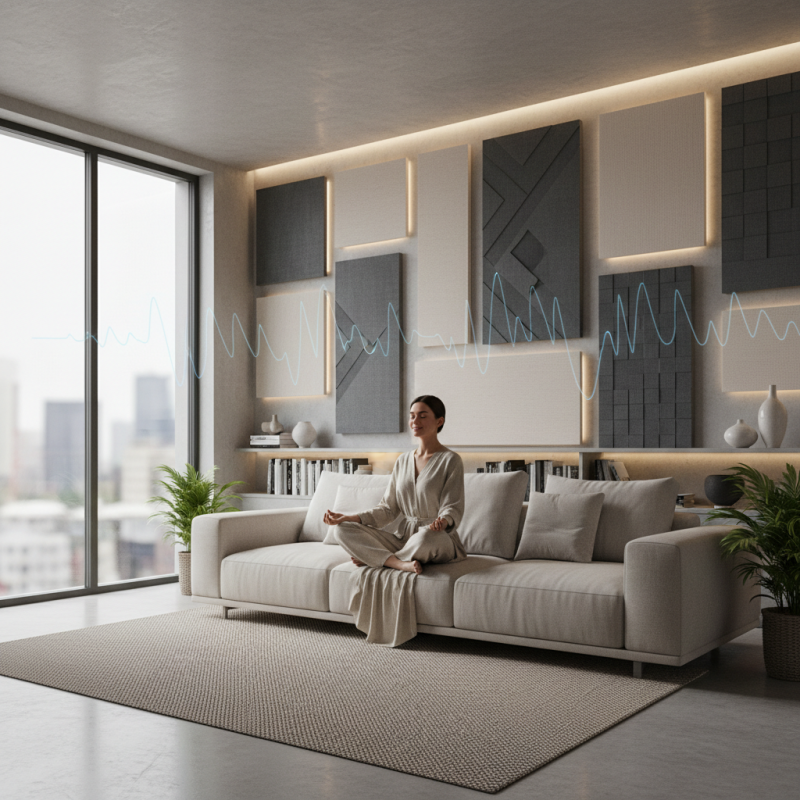
Understanding Sound Deadening Panels and Their Benefits
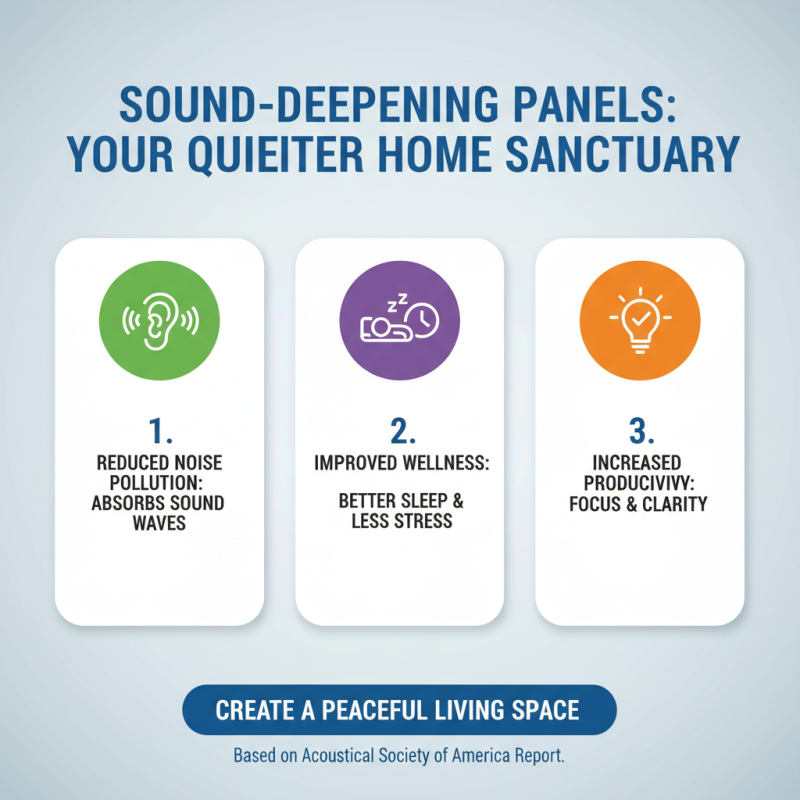
Sound deadening panels are a crucial component in creating a quieter home environment, significantly reducing the impact of noise pollution. According to a report from the Acoustical Society of America, noise can lead to various health issues, including stress, sleep disturbances, and decreased productivity. By incorporating sound deadening panels into living spaces, homeowners can effectively absorb sound waves, leading to an overall reduction in noise levels. These panels are typically made from materials engineered to minimize sound transmission, reflecting a broader trend in residential design focused on wellness and comfort.
The benefits of sound deadening panels extend beyond mere noise reduction. Research indicates that optimal acoustic environments can enhance cognitive function and overall well-being. A study by the World Health Organization emphasized that lower noise levels in home environments can contribute to better sleep quality and lower anxiety levels, ultimately leading to improved mental health. Furthermore, sound deadening panels are versatile, often available in various styles, textures, and colors, allowing for seamless integration into any room while enhancing aesthetic appeal. This combination of functionality and design further solidifies their growing popularity in modern home improvement projects.
Factors to Consider When Choosing Sound Deadening Panels
When choosing sound deadening panels for a quieter home environment, several key factors should be considered to ensure optimal effectiveness and satisfaction. First, the material composition of the panels is crucial. Common materials include foam, mass-loaded vinyl, and fiberglass, each with different sound absorption properties. Foam panels, for instance, are lightweight and easy to install but may not provide the same level of soundproofing as denser materials like mass-loaded vinyl, which is particularly effective at blocking low-frequency noises.
Another important consideration is the room’s specific acoustics and the type of noise being mitigated. Identifying whether you are dealing with impact noise, airborne noise, or reverberation can help you choose the right panels. Additionally, the size and thickness of the panels affect their soundproofing capabilities; thicker panels generally absorb more sound. Furthermore, aesthetic appeal should not be overlooked, as some panels come in various designs and colors, allowing you to enhance the room's decor while achieving sound reduction.
By taking into account these factors, you can make a more informed decision and create a more peaceful living environment.
Top Materials Used in Sound Deadening Panels
When looking to create a quieter home environment, the choice of materials in sound deadening panels plays a crucial role. Common materials used in the fabrication of these panels include mineral wool, fiberglass, acoustic foam, and mass-loaded vinyl. According to the Acoustical Society of America, effective soundproofing can reduce sound transmission levels by up to 90% when utilizing well-designed panels with high-density materials. The use of mineral wool is particularly favored for its high sound absorption properties and fire resistance, making it an excellent choice for residential use.
Tip: When selecting sound deadening panels, consider not only their thickness but also their density. Panels with a higher density typically offer better sound absorption capabilities, crucial for minimizing noise across various frequency ranges.
Another effective material is mass-loaded vinyl, known for its ability to block sound while remaining relatively lightweight. Industry studies suggest that adding just one layer of mass-loaded vinyl can significantly improve sound insulation, reaching up to 26 STC (Sound Transmission Class) points. Acoustic foam, on the other hand, is ideal for absorbing sound within a room, effectively reducing echo and improving overall sound quality. This material is often used in home theaters and music studios.
Tip: For the best results, combine different materials. Using a multilayer approach that includes both sound-absorbing and sound-blocking materials can enhance noise control significantly, tailoring your sound environment to your specific needs.
Comparative Analysis of the Best Sound Deadening Panels
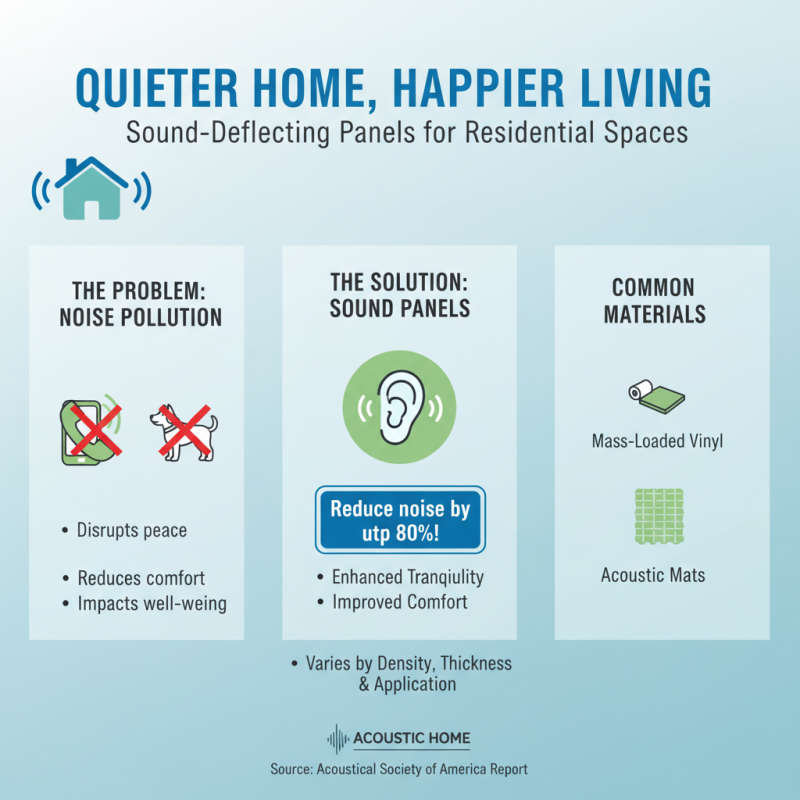
When evaluating sound deadening panels for residential spaces, it's essential to consider how their effectiveness can vastly improve the indoor environment. According to a report by the Acoustical Society of America, soundproofing materials can reduce noise levels by up to 80%, significantly enhancing comfort and tranquility within the home. The materials used, such as mass-loaded vinyl, foam panels, and acoustic mats, each offer unique benefits depending on their density, thickness, and application method.
In comparative analyses, studies have shown that the NRC (Noise Reduction Coefficient) rating serves as a key indicator of a panel's sound absorption capability. For instance, panels with high NRC ratings of 0.9 or above are ideal for spaces that require effective sound management, such as home theaters or music studios. Moreover, data indicates that adding a combination of sound deadening solutions can improve performance; a combination of wall panels and ceiling tiles can lead to an overall decrease in sound transmission by over 30%. These insights highlight the importance of selecting the right soundproofing materials tailored to specific needs in creating a quieter, more enjoyable living environment.
Installation Tips for Effective Sound Insulation in Homes
When considering sound insulation for your home, the installation process plays a crucial role in achieving an effective noise reduction. Start by identifying areas where sound transmission is prevalent, such as shared walls, ceilings, and floors. Before beginning, gather the necessary tools and materials, and ensure that the surfaces are clean and dry. Removing any existing wall coverings will provide a smooth base for the sound deadening panels, enhancing their adhesive properties and overall effectiveness.
Once the preparation is complete, carefully measure and cut the sound deadening panels to fit snugly in the designated areas. For optimal sound insulation, ensure that there are no gaps left where sound can penetrate. It's also beneficial to stagger the joints of the panels, similar to tiling, which adds extra stability and further decreases sound transmission. After securing the panels with the recommended adhesive or fasteners, consider sealing the edges with acoustic caulk. This additional step can significantly minimize air leaks, providing a more serene living environment while transforming your home into a quieter sanctuary.
Top 10 Sound Deadening Panels for a Quieter Home Environment - Installation Tips for Effective Sound Insulation in Homes
| Panel Type |
Material |
Thickness (inches) |
NRC Rating |
Dimensions (inches) |
Installation Method |
| Acoustic Foam |
Polyurethane |
2 |
0.80 |
24 x 24 |
Peel and Stick |
| Mass Loaded Vinyl |
Vinyl |
1/8 |
0.95 |
54 x 36 |
Nailed or Stapled |
| Gypsum Board |
Gypsum |
1/2 |
0.80 |
48 x 96 |
Screwed |
| Soundproofing Curtains |
Polyester |
0.25 |
0.70 |
52 x 84 |
Hanging |
| Cork Panels |
Cork |
0.5 |
0.60 |
12 x 12 |
Glue |
| Fiberglass Panels |
Fiberglass |
2 |
1.00 |
24 x 48 |
Screwed |
| Wood Panels |
Plywood |
0.75 |
0.50 |
48 x 96 |
Installed with adhesive |
| Acoustic Panels |
Recycled Cotton |
1 |
0.85 |
24 x 48 |
Velcro or Screwed |
| Spray Foam |
Polyurethane |
N/A |
0.90 |
N/A |
Sprayed |


 '
'
