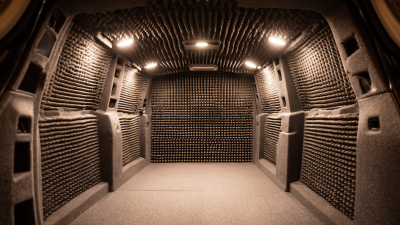
When it comes to creating a peaceful and serene home environment, the choice of sound deadening panels is crucial. For homeowners looking to enhance their living spaces, understanding the options available and the features of sound deadening panels can make all the difference. Johnathan Moore, an industry expert in acoustics and soundproofing solutions, emphasizes the importance of this selection process: "Choosing the right sound deadening panels not only improves your home’s acoustics but also significantly enhances your overall living experience."
In a world where noise pollution is an ever-increasing issue, sound deadening panels offer a practical solution to reduce unwanted sound and improve sound quality within a space. Whether you are looking to create a tranquil retreat in your home office or a sound studio for creative pursuits, the right panels can help you achieve that goal. The following tips will guide you through the essentials of selecting the best sound deadening panels suited to your specific needs, ensuring that your home becomes a haven of peace. With the right information, you can navigate the market with confidence and choose panels that effectively address your soundproofing concerns.
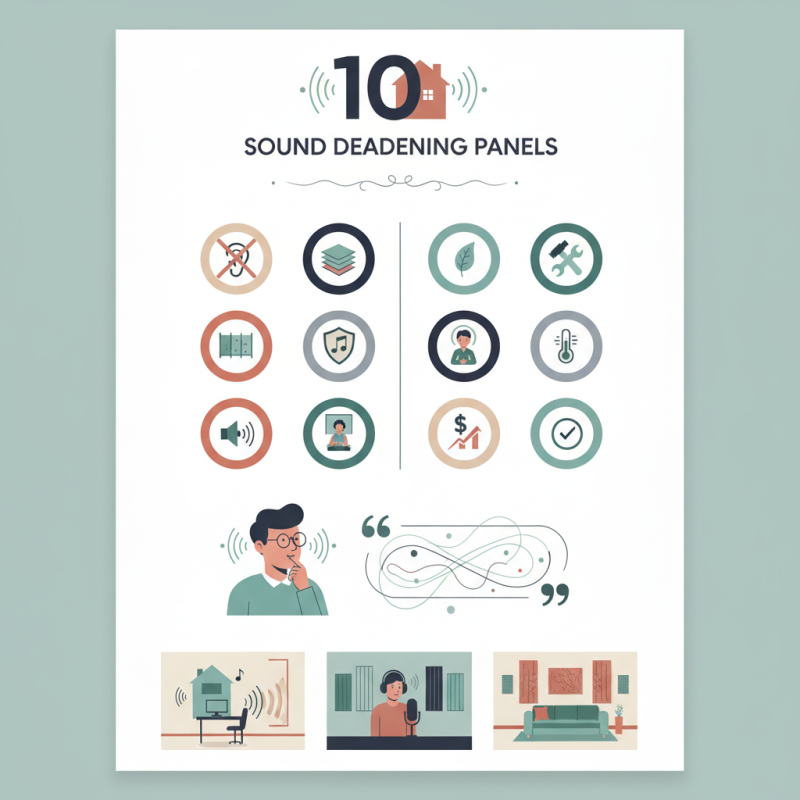
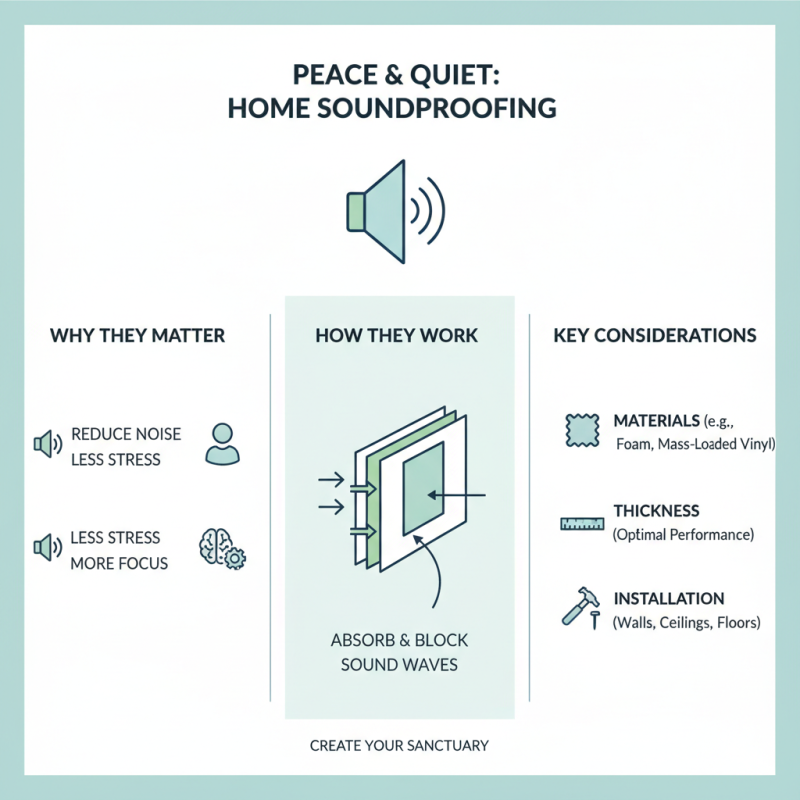
Sound deadening panels are essential for creating a peaceful and comfortable home environment. They function by absorbing and blocking sound waves, significantly reducing noise pollution from outside or between rooms. According to a report by the Acoustical Society of America, improper sound control can lead to increased stress and decreased productivity, highlighting the importance of these panels in residential spaces. When selecting sound deadening panels, it’s crucial to consider materials, thickness, and installation methods to ensure optimal performance.
Tip: When choosing your panels, prioritize density. Materials with higher density are more effective at soundproofing, as they absorb sound vibrations better. Look for panels made from mineral wool or mass-loaded vinyl, which are known for their sound blocking capabilities. Another vital factor is the panel's absorption rating; panels with a high Noise Reduction Coefficient (NRC) can effectively dampen sound reflections, further enhancing your acoustic environment.
Additionally, consider the installation method. Some panels require professional installation for maximum efficiency, especially those that are integrated into walls or ceilings. However, there are also peel-and-stick options available for easy DIY setups. Remember that aesthetics matter too; selecting panels that complement your home decor can make sound management seamless and visually appealing while benefiting your overall living experience.
When selecting sound deadening panels for your home, several key factors can help you make an informed decision. First and foremost, consider the material of the panels. Different materials offer varying levels of sound absorption and insulation. For example, foam panels are lightweight and effective for high-frequency sounds, while mass-loaded vinyl can block lower frequencies more effectively. Understanding your specific soundproofing needs is crucial in this selection process.
Another important aspect to look at is the panel's thickness and density. Thicker and denser panels typically provide better sound isolation. It's advisable to evaluate the space where the panels will be installed to determine the optimal thickness required. Additionally, installation methods and ease of use should be considered; some panels might require professional installation, while others can be easily mounted as a DIY weekend project.
Lastly, don't forget about aesthetics and design. Sound deadening panels come in various styles and colors that can complement your home’s interior. Choose panels that not only meet your acoustic needs but also enhance the overall look of your space. By keeping these factors in mind, you'll be better equipped to choose the best sound deadening solution for your home.
| Tip # | Key Factor | Description |
|---|---|---|
| 1 | Material Type | Choose panels made from materials like mass loaded vinyl, acoustic foam, or fiberglass for effective sound dampening. |
| 2 | Thickness | Thicker panels generally provide better sound absorption; aim for at least 1 inch in thickness. |
| 3 | Density | Higher density panels can absorb more sound waves; consider density ratings when choosing panels. |
| 4 | Installation Type | Decide between peel-and-stick or adhesive installation based on your DIY preference and surface type. |
| 5 | Aesthetics | Consider color, design, and finish of panels to ensure they complement your home decor. |
| 6 | Sound Rating | Look for panels with NRC (Noise Reduction Coefficient) ratings to gauge their efficiency. |
| 7 | Cost | Set a budget but balance cost with quality; lower-priced options may not perform as well. |
| 8 | Fire Safety | Make sure to choose fire-resistant materials, especially for use in enclosed spaces. |
| 9 | User Reviews | Check for customer feedback and testimonials to ensure satisfaction with the product. |
| 10 | Warranty | Consider products that offer a warranty for soundness and longevity. |
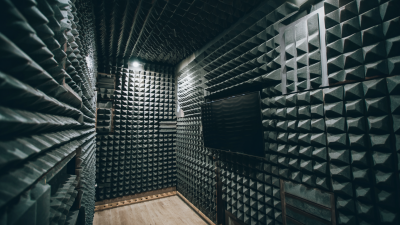
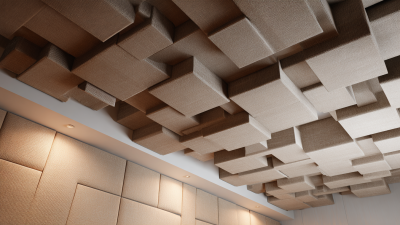
When selecting sound deadening panels for your home, understanding the different types of sound deadening materials available is crucial. Common materials include mass loaded vinyl (MLV), foam panels, and acoustic panels. MLV is particularly effective due to its density, making it ideal for high-impact noise areas, such as home theaters or music studios. Foam panels, on the other hand, are great for reducing echo and can be used in spaces like living rooms or offices to create a more serene environment. Acoustic panels, often made from soft fabrics, are effective for sound absorption and can enhance the aesthetics of your home decor.
When choosing the right materials, keep these tips in mind: First, assess the specific noise issues in your home. This will help you determine whether you need materials that block sound, absorb echo, or both. Additionally, consider the installation process; some materials are easier to install and may require no professional help, while others can be more complex and might need expert assistance. Lastly, evaluate the durability and maintenance of the materials. Opting for panels that are resistant to wear and tear ensures long-term effectiveness without the need for frequent replacements.
When it comes to optimizing soundproofing efficiency in your home, the installation techniques you choose can significantly affect the performance of sound deadening panels. Research indicates that properly installed panels can reduce sound transmission by up to 50%, making it crucial to follow best practices. First, ensure that the panels are mounted on walls or ceilings where sound travels most frequently. The placement should consider peaks and valleys of sound waves, ideally positioning the panels to address areas like corners and direct reflection points. According to a study by the National Institute of Standards and Technology, strategic placement not only maximizes sound absorption but also enhances the overall acoustics in the space.
Additionally, the use of adhesive compounds versus mechanical fasteners can impact the effectiveness of sound deadening. A report from the Acoustical Society of America stresses that while adhesives offer a cleaner installation with fewer visible screws, mechanical fasteners may provide a tighter seal against vibrations and maintain panel integrity over time. Furthermore, ensuring a secure fit along the edges of the panels prevents sound seepage. For optimal results, a combination of techniques might be advisable, such as using adhesive for primary attachment along with screws for reinforcement, particularly in high-traffic areas. By employing these installation strategies, homeowners can significantly improve their soundproofing outcomes, creating a more tranquil living environment.
When it comes to sound deadening panels for your home, evaluating cost versus effectiveness is crucial for making an informed decision. The primary goal of soundproofing is to reduce noise infiltration, which can significantly enhance the comfort of your living space. Different materials offer varying levels of sound absorption and transmission loss at different price points, making it essential to weigh the benefits against your budget. For instance, while high-end solutions may provide superior sound insulation, they may not always be necessary for every room, especially if the primary goal is just to reduce everyday noise.
Additionally, when assessing the effectiveness of sound deadening solutions, consider both the material properties and installation options. Some affordable panels might significantly improve sound quality without breaking the bank, especially when strategically placed in high-noise areas. Also, DIY solutions can often minimize costs while still achieving decent results. However, it’s important to recognize the potential trade-offs; an inexpensive product might not provide long-term durability or effectiveness in the same way as pricier alternatives. Ultimately, the right choice will balance your specific soundproofing needs with your budget, ensuring a quieter home environment that meets your expectations.
We now offer custom-made commercial vehicle tarps, along with the ability to design your own curtains, noise panels, and strip doors—tailored to your exact needs!
At Singer Safety, we specialize in manufacturing high-performance tarps engineered to safely secure and protect your vehicle loads during transport.