
What Are the Top Polyester Sleepwear Trends for 2026?
Polyetser Sleep Wear is entering 2026 with a sharper focus on comfort, traceability, and material responsibility. The shift is visible in fabric choices, product details, and buyer expectations. Textile Exchange’s Materials Market Report 2024 recorded 124 million tonnes of global fiber production in 2023. Polyester represented approximately 57% of that volume. The scale is enormous. It also exposes a difficult question: can sleepwear remain affordable without creating avoidable waste?
The leading 2026 trends will likely include recycled polyester, lightweight moisture management, brushed surfaces, and simpler mono-material construction. Grand View Research identifies comfort, easy care, and online purchasing as important forces in the broader sleepwear market. These findings support practical designs, such as quick-drying pajama sets, soft elastic waistbands, and breathable mesh panels. Yet recycled content alone is not a complete sustainability answer. Fiber shedding, chemical finishing, and end-of-life recovery still require closer testing. That point deserves more attention.
Claire Bergkamp, former CEO of Textile Exchange, said, “We need to move from a linear to a circular system.” Her statement gives the 2026 discussion a useful standard. A credible Polyetser Sleep Wear collection should disclose fiber percentages, recycled content, care instructions, and supplier information. It should also prove performance through recognized testing, rather than relying on vague claims. Some forecasts may overstate consumer willingness to pay more. Real purchasing behavior can be messier. This article examines the strongest polyester sleepwear trends, the evidence behind them, and the design compromises brands may still need to confront.
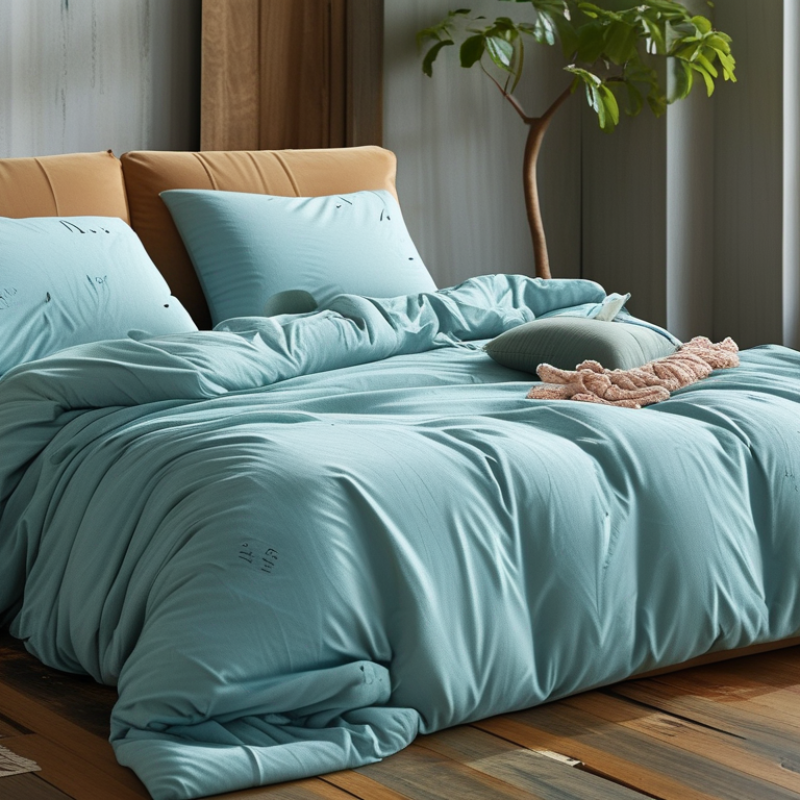
2026 Polyester Sleepwear: Key Trends and Defining Features
In 2026, polyester sleepwear will focus on lighter comfort, better moisture control, and more responsible material choices. Textile Exchange’s Materials Market Report 2024 states that polyester made up 57% of global fiber production in 2023. That scale keeps polyester commercially important, but it also raises environmental questions. Recycled polyester is gaining attention, although supply transparency remains uneven.
The defining feature will be fabric engineering. Fine denier yarns can create a softer hand feel and lighter drape. Microfiber knits may help move perspiration away from the skin during warm nights. Stretch blends can improve movement, especially in relaxed shirts and loose trousers. Matte surfaces will likely replace overly shiny finishes. That feels more natural. However, softness claims need testing, not attractive packaging language.
Tips: Choose sleepwear with breathable knits, flat seams, and a clear fiber label. Check whether recycled content is independently certified. Wash with cooler water and avoid excessive heat, which can weaken fibers over time. The Global Recycled Standard remains useful for tracing recycled inputs, but certification does not prove perfect sustainability. I have found that fit often matters more than fabric claims. A poorly cut garment still feels uncomfortable, even when the material sounds advanced. Industry reports provide direction, not guarantees.
| Trend | Defining Features | Typical Material or Construction Data | Consumer Benefit | Recommended Product Details | Important Considerations |
|---|---|---|---|---|---|
| Recycled Polyester and Material Traceability | Greater use of polyester made from recycled PET bottles or pre-consumer textile waste, supported by clearer fiber-content and chain-of-custody information. | Usually 50–100% recycled polyester Commonly labeled rPET Same base polymer as conventional polyester | Offers a way to reduce dependence on virgin fossil-based feedstock while retaining polyester’s durability and easy-care performance. | Use verified recycled content, recyclable trims where practical, and concise fiber-composition labeling. | Recycled content does not automatically mean biodegradable. Certification and supply-chain documentation should support environmental claims. |
| Lightweight Moisture-Management Fabrics | Fine-gauge knits, engineered channels, and hydrophilic or wicking finishes designed to move perspiration away from the skin. | Typical fabric weight: about 80–160 g/m² Polyester moisture regain: approximately 0.4% Often paired with mesh zones | Helps sleepwear dry quickly and feel less damp during warm nights or periods of perspiration. | Choose breathable jersey, micro-mesh ventilation panels, flat seams, and a soft brushed or peached inner surface. | Wicking performance depends on yarn, knit structure, finish, fit, and laundering; it should be tested on the finished garment. |
| Thermoregulating Sleep Sets | Fabrics designed to support thermal comfort through lightweight construction, phase-change finishes, cooling yarns, or temperature-responsive surface treatments. | Often blended with elastane or cellulosic fibers Phase-change materials may be microencapsulated Performance is finish-dependent | Supports a more balanced comfort level for sleepers who feel hot or experience changing nighttime temperatures. | Use relaxed silhouettes, short-sleeve and sleeveless options, breathable waistbands, and low-bulk finishing. | Cooling claims should specify the test method, duration, and care-cycle performance rather than implying permanent cooling. |
| Stretch Comfort and Adaptive Fit | Two-way or four-way stretch constructions combined with relaxed patterns that accommodate movement without excessive pressure. | Common elastane content: about 3–8% Typical stretch recovery target: high recovery after repeated extension Four-way stretch supports multidirectional movement | Improves freedom of movement and reduces pulling or waistband pressure while sleeping. | Use covered elastic, wide waistbands, gussets, raglan sleeves, and stretch-tested seam construction. | Higher elastane content can complicate fiber recycling and may require lower-temperature care to preserve recovery. |
| Seamless and Low-Irritation Design | Reduced seam bulk, bonded or flatlocked seams, tagless labeling, and soft elastic components for sensitive skin and side sleepers. | Flatlock seam allowance is typically lower than conventional overlock bulk Seamless knitting can reduce cut-and-sew seams Soft-touch finishes are commonly used | Minimizes rubbing, pressure points, and distraction caused by labels or bulky seams. | Prioritize smooth necklines, printed care labels, covered elastics, and strategically placed seams away from high-contact areas. | Bonded seams and soft finishes require wash and abrasion testing to confirm long-term durability. |
| Relaxed Multifunctional Lounge-to-Sleep Styling | Sleepwear designed to transition between bedtime, lounging, travel, and low-intensity home activities without appearing overly informal. | Relaxed or regular fit Lightweight woven or knit polyester Wrinkle-resistant construction | Increases versatility and reduces the need for separate lounge and sleep garments. | Develop coordinated sets, adjustable drawcords, discreet pockets, longer hems, and polished piping or tonal trims. | Pockets, buttons, cords, and decorative trims should not create pressure or safety concerns during sleep. |
| Low-Impact Color and Print Direction | Soft neutrals, mineral tones, muted pastels, nature-inspired shades, and smaller-scale prints that support calm bedroom aesthetics. | Solution-dyed options can reduce wet-processing steps Digital printing can support short production runs Low-contrast palettes improve mix-and-match use | Creates a calmer visual environment and supports longer use across seasonal collections. | Offer adaptable color groups such as warm stone, mist blue, sage, muted lavender, charcoal, and soft cream. | Dyeing and printing impacts vary by process, color depth, water use, and chemical management; claims should be process-specific. |
| Durable Easy-Care Performance | Fast-drying, wrinkle-resistant polyester fabrics engineered for frequent washing and consistent shape retention. | Polyester melting range: approximately 250–260°C Low moisture absorption supports quick drying Recommended wash temperatures are generally below 40°C | Reduces drying time, ironing needs, and shape loss during regular home laundering. | Use colorfast dyes, pilling-resistant yarns, reinforced stress points, and care instructions that favor lower heat. | High heat from irons or tumble dryers can damage finishes, elastane, prints, and elastic recovery even when the base polyester is durable. |
| Odor-Control Solutions with Responsible Claims | Improved laundering performance through quick drying, fiber engineering, and selected odor-control finishes rather than relying only on heavy antimicrobial treatment. | May include mineral, polymer, or plant-derived treatments Finish durability varies by technology Performance should be measured after washing | Helps garments feel fresher between washes when used appropriately and supported by good moisture management. | Combine breathable construction with clear care guidance and avoid unnecessary treatments on areas with prolonged skin contact. | “Antimicrobial,” “antibacterial,” and “odor-control” are different claims and may require regulatory review or standardized testing in the target market. |
 '
'
