Ultimate Tips for Choosing the Best Soundproof Curtains for Peaceful Living
Choosing the right soundproof curtains can dramatically enhance the tranquility of your living space. Whether you are looking to block out the hustle and bustle of city life, reduce noise from neighbors, or create a serene environment for work or relaxation, soundproof curtains serve as an effective solution. These specialized window treatments not only help in minimizing auditory interruptions but also add an aesthetic touch to your decor.
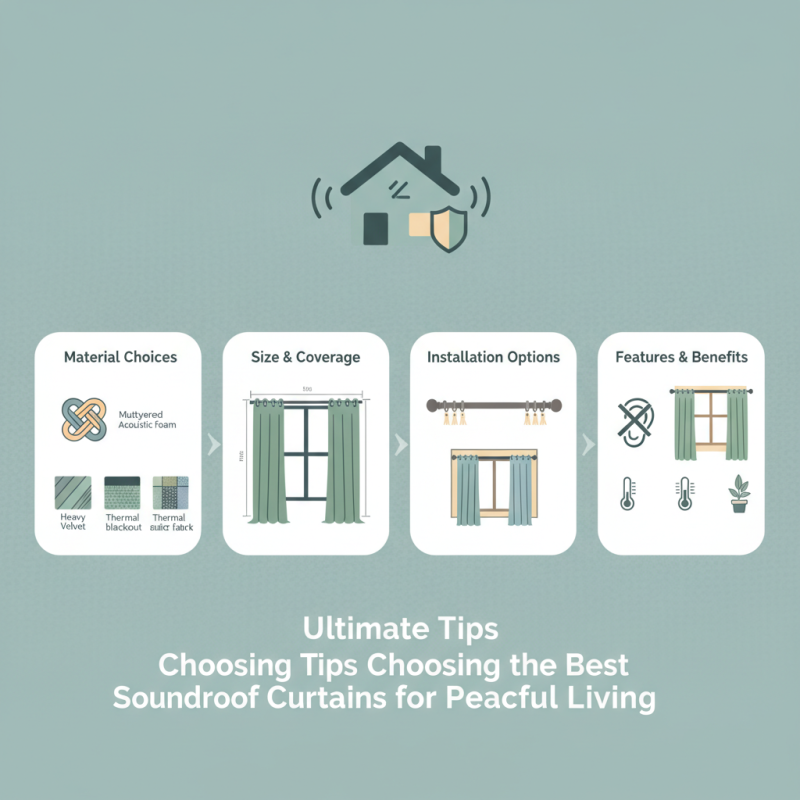
In this ultimate guide, we will explore the essential tips and considerations for selecting the best soundproof curtains to ensure a peaceful living experience. From material choices to size and installation options, understanding the features that contribute to effective soundproofing can help you make an informed decision. Embrace the potential of soundproof curtains as a means to transform your home into a serene haven, allowing you to focus on what truly matters—your comfort and peace of mind.
Factors to Consider When Choosing Soundproof Curtains
When choosing soundproof curtains, several factors play a critical role in ensuring you select the best options for your living space. The first consideration is the fabric weight and density. Heavier materials tend to absorb more sound compared to lighter fabrics. Look for curtains made from tightly woven fabrics or blends that include polyester, cotton, or velvet. The thickness of the curtains also matters; thicker curtains typically provide better sound insulation, helping to minimize external noise intrusion.
Another important factor is the curtain's length and width. For optimal soundproofing, curtains should extend beyond the window frame on all sides. This helps to block out sound that might seep through the edges. Additionally, consider the lining of the curtains. An added layer of blackout lining can enhance sound absorption, improving the overall effectiveness of the curtains. Furthermore, ensure that the curtains do not leave gaps when drawn, as even small openings can allow sound to penetrate the room. Taking these elements into account will help you create a more peaceful living environment.
Types of Materials Ideal for Soundproof Curtains
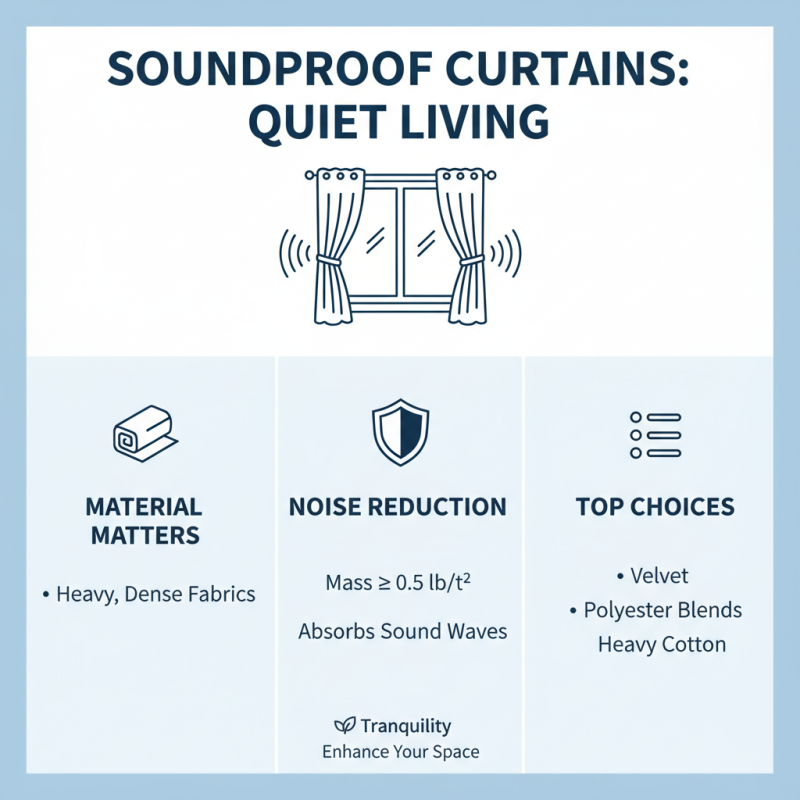
When seeking the best soundproof curtains to enhance the tranquility of your living space, the type of material plays a crucial role. Heavy, dense fabrics are generally recognized as effective for noise reduction. According to a report by the Acoustical Society of America, materials that have a mass per unit area of at least 0.5 pounds per square foot significantly increase sound absorption and attenuation. Fabrics such as velvet, polyester blends, and heavy cotton are often recommended due to their ability to absorb sound waves effectively, thereby minimizing noise intrusion.
Additionally, the construction and layering of the materials can further improve the soundproofing capabilities of the curtains. For instance, curtains that include multiple layers or an internal layer of sound-dampening foam can enhance their performance. A study published in the Journal of Architectural Acoustics found that adding a sound-absorbing lining can reduce sound transmission by up to 30%. This indicates the importance of not only the outer fabric but also the underlying materials used in the curtain's design. Homeowners should consider curtains with these sound-dampening properties to achieve a more peaceful and quiet living environment.
Measuring Your Windows for the Perfect Curtain Fit
Measuring your windows accurately is crucial when selecting the best soundproof curtains to enhance your living space. According to the American Society of Interior Designers, nearly 80% of homeowners overlook the importance of precise measurements, which can lead to ineffective soundproofing and poor aesthetic appeal. To ensure you get the perfect fit, start by measuring the width and height of your windows, including any additional trim. Ideally, curtains should extend beyond the window frame to help maximize sound insulation by minimizing gaps through which noise can enter.
Additionally, industry experts recommend adding 6-12 inches to both the width and height measurements. This extra allowance not only helps in achieving better sound absorption but also contributes to the overall visual impact, allowing curtains to create a more affluent look. According to recent research from the National Institute of Occupational Safety and Health, properly installed soundproof curtains can reduce noise levels by up to 50%, significantly improving the overall ambiance of your home. Thus, taking the time to measure accurately is essential for selecting effective soundproofing solutions that contribute to a tranquil living environment.
Understanding Sound Ratings and their Importance
When selecting soundproof curtains, understanding sound ratings is crucial for making an informed choice. Sound ratings typically refer to STC (Sound Transmission Class) and NRC (Noise Reduction Coefficient) values, which indicate how well a material can block sound and absorb noise, respectively. A higher STC rating means a curtain can significantly reduce the amount of noise that penetrates your living space, hence enhancing your overall peace and comfort at home.
When choosing soundproof curtains, consider these tips: First, look for heavyweight fabrics, as they tend to have better sound-dampening qualities. Dense materials like velvet or multiple layers can substantially lower sound transmission. Second, check the curtain's length and width; curtains that extend beyond the window frame can help block noise coming from the sides and top, maximizing their effectiveness. Lastly, ensure proper installation—make sure that the curtains are fitted snugly to eliminate any gaps where sound might seep through.
By prioritizing sound ratings and taking these tips into account, you can create a quieter and more serene living environment. Understanding and choosing the right soundproof curtains will not only improve your comfort but also contribute to a more peaceful atmosphere in your home.
Maintenance Tips for Long-lasting Soundproof Curtains
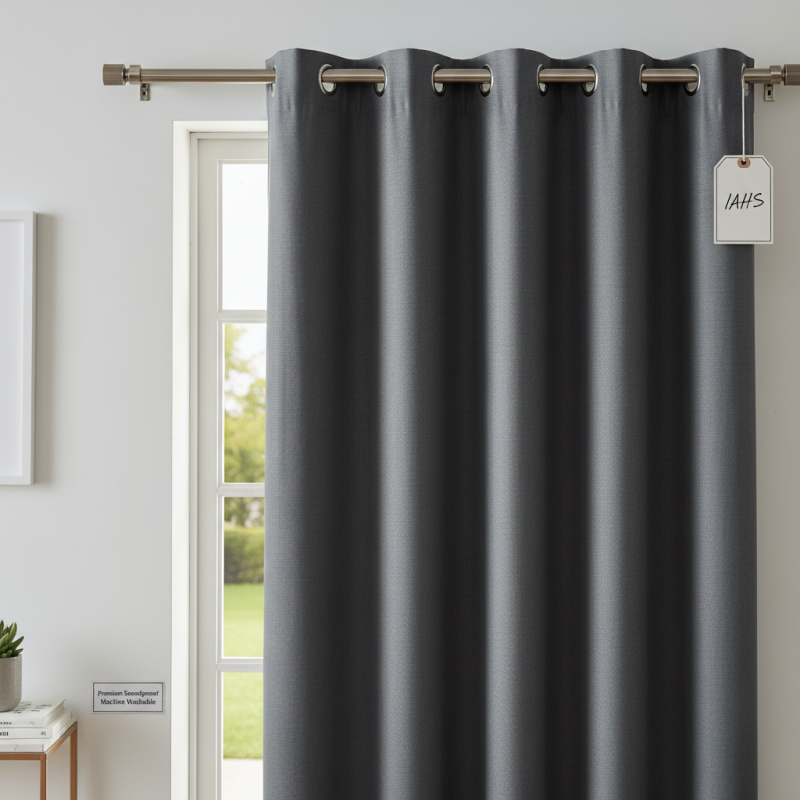
When it comes to maintaining soundproof curtains, regular care and upkeep can significantly prolong their lifespan and effectiveness. According to a report from the International Association of Home Soundproofing (IAHS), soundproofing materials, like those used in premium curtains, can degrade over time if not properly maintained. To ensure optimal noise reduction capabilities, it's important to regularly clean your curtains based on the manufacturer's guidelines. Most soundproof curtains are machine washable, but some may require gentle hand washing or spot cleaning. Ensuring that they are free of dust and allergens not only maintains their appearance but also helps preserve their sound-dampening properties.
In addition to regular cleaning, positioning is crucial for the long-lasting performance of soundproof curtains. A study published in the Journal of Acoustic Engineering highlights that the effectiveness of soundproof curtains can diminish when they are not hung correctly—ideally, they should extend from floor to ceiling and across the window's width. This ensures maximum coverage and minimizes sound leakage. Users should also periodically check for damage, such as fraying edges or loose seams, which can compromise their effectiveness. Addressing these issues promptly will maintain the integrity of your soundproofing solution, contributing to a peaceful living environment.




 '
'
