Why Choose a Lash Lift Kit for Your Beauty Business?
A lash lift can offer clients a polished look without adding extensions, while giving beauty businesses another service to consider. A well-chosen Lash Lift Kit may help make treatments more consistent, provided its instructions are clear and staff are trained to use it. Small details matter: neatly labeled solutions, reliable applicators, and a tidy setup can make the appointment feel more professional.
But a kit alone does not guarantee a good result. No kit can replace sound technique.
Before choosing one, compare the contents, product guidance, storage requirements, and support available from the supplier. Check that the system suits your services and that each team member understands the manufacturer’s instructions, including any recommended sensitivity checks. Keep hygiene practices consistent, and explain aftercare in plain language. These steps help clients make informed choices and give staff a dependable routine to follow.
Business needs differ. A busy salon may value straightforward preparation, while a smaller studio may care more about shelf life and clear usage guidance. Track appointment time, client feedback, and product waste for a few weeks. The numbers may be less tidy than expected, and that is useful information. A kit that looks appealing on a product page may not fit your workflow in practice.
Choosing carefully can support service quality and client confidence, not promise instant profit. Look for products from transparent suppliers, read the directions closely, and review results with your team. The right Lash Lift Kit is the one your staff can use consistently and responsibly, with realistic expectations and attention to each client’s needs.
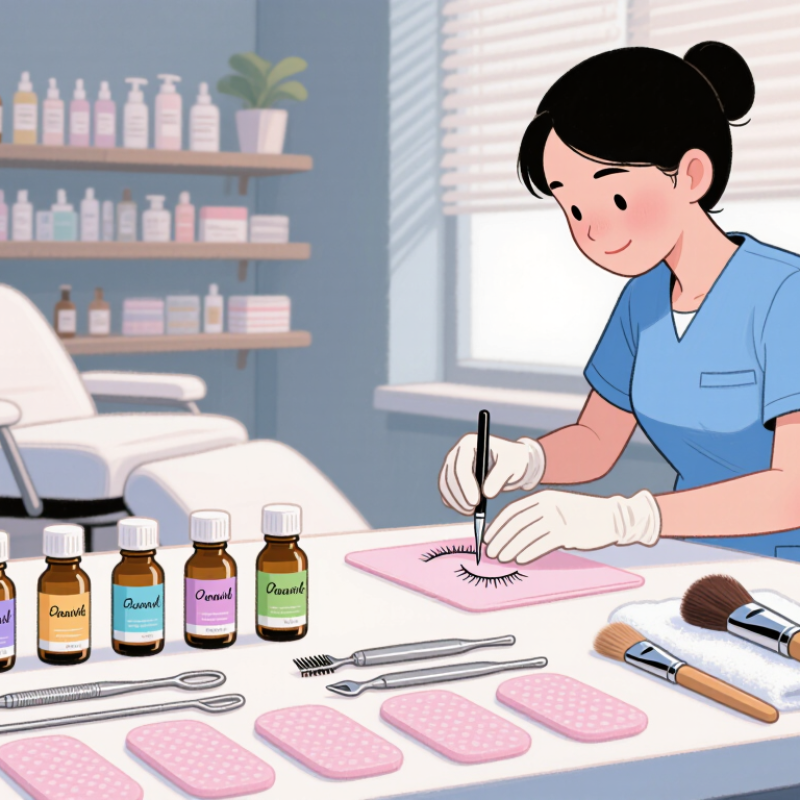
What a Lash Lift Kit Includes and How It Works
A lash lift kit usually contains a lash cleanser, silicone shields, lifting balm, setting lotion, nourishing serum, and precision tools. Some kits also include under-eye pads and detailed timing instructions. Each item has a specific role. Cleanser removes oil and makeup, helping the shields sit firmly. The balm holds lashes against the shield. Lifting and setting solutions reshape the lash fibers for a curled, open-eyed appearance.
The process needs accuracy. A trained technician selects a shield that matches the client’s lash length and desired curl. Lashes are separated carefully, then processed in controlled stages. Timing should follow the kit’s instructions, not guesswork. Patch testing is important, and the eye area must remain clean and protected. In my experience, small details matter. Uneven placement can create an inconsistent curl. Timing is not always perfect. Lash thickness, moisture, and previous treatments can change the result. A professional should inspect the lashes before treatment, explain possible sensitivity, and record the products and processing times. Results may last several weeks, but aftercare still matters. Clients should avoid steam, rubbing, and oil-heavy products during the early setting period. A reliable kit supports consistency, yet skill determines how safely and neatly it works.
How a Kit Supports Consistent Salon Services
A lash lift kit can make salon services more consistent when every appointment follows a clear process. The kit should include compatible lifting shields, solutions, applicators, timers, and aftercare guidance. Standardized tools reduce guesswork during busy days. Small details matter.
Market Insight Grand View Research reported that the global false eyelashes market reached approximately USD 1.6 billion in 2023. Although this report covers false eyelashes rather than lash lifts, it reflects strong consumer interest in enhanced eye appearance. A consistent lash lift service can help salons meet that demand without changing the client’s natural lashes. Results still depend on hair texture, processing time, and technician skill.
A written timing chart helps technicians repeat each step accurately. Record the shield size, solution exposure, and client response after every treatment. A patch test and careful consultation remain essential. The American Academy of Ophthalmology advises caution with cosmetic products used near the eyes, especially when irritation occurs. That guidance supports a safety-focused salon routine.
Experience also reveals a limitation: one kit cannot create identical results for every client. Fine lashes may need less processing time, while coarse lashes may respond slowly. Not always. Overprocessing can cause dryness, uneven curls, or breakage. Reviewing photographs under consistent lighting can improve training and client communication. It also makes mistakes easier to identify before they become routine.
Business Benefits of Offering Lash Lift Treatments
Why Choose a Lash Lift Kit for Your Beauty Business?
Offering lash lift treatments can strengthen a beauty menu without requiring bulky equipment. The service uses a client’s natural lashes, creating a polished, open-eye effect that often lasts several weeks. Grand View Research valued the global eyelash extensions market at approximately USD 1.56 billion in 2023. Although extensions and lifts differ, this figure signals strong consumer interest in enhanced lashes.
The business benefits are practical. A trained technician can complete a treatment within one appointment, creating room for repeat bookings and add-on services. Product storage is usually simpler than for extension systems. Clients may also prefer a lower-maintenance option for work, travel, or special events. The experience feels premium. That matters.
Professional delivery remains essential. A consultation should check allergies, eye sensitivity, previous reactions, and realistic expectations. Patch testing should follow product instructions and local requirements. The Professional Beauty Association’s economic reports place the US salon industry above USD 70 billion annually, showing the scale of competition and opportunity. However, demand alone does not guarantee profit. Training time, treatment timing, insurance, hygiene controls, and client retention all affect margins. Some clients may see little curl if their lashes are very short or resistant. Honest communication builds more trust than an exaggerated result. A clear aftercare card, accurate records, and consistent photography can help refine the service over time.
Safety, Training, and Product Selection Considerations
Why Choose a Lash Lift Kit for Your Beauty Business?
Safety, Training, and Product Selection Considerations
A lash lift kit can improve service consistency, but only with disciplined procedures. Before treatment, inspect the client’s lashes, eyes, and skin carefully. Ask about allergies, sensitivities, recent eye procedures, and ongoing irritation. A patch test may help identify reactions, although it cannot guarantee complete safety. Stop immediately if burning, swelling, or unusual discomfort appears. Client comfort matters more than finishing the appointment.
Training should include product handling, lash placement, processing times, eye-area hygiene, and emergency responses. Practice on models under supervision before offering the service commercially. Keep tools clean and separate unused materials from opened products. Record the lot number, expiry date, consultation answers, and treatment timing. Small records protect clients and improve professional accountability. They also reveal patterns when something goes wrong.
Product selection requires more than attractive packaging. Check ingredient information, usage instructions, storage requirements, and supplier documentation. Choose formulas suitable for professional use and matched to your training level. Avoid products with unclear labeling or unrealistic claims. A reliable kit should support controlled application, predictable timing, and easy stock rotation. I have found that simpler systems are often easier to monitor, though they may not suit every lash type. Review local regulations, insurance conditions, and workplace sanitation rules before adding the service. Safety is never a minor detail.

 '
'
