Why Choose Custom Lacrosse Sportswear for Your Team?

Choosing custom Lacrosse Sportswear is not merely a branding decision. It can shape comfort, confidence, movement, and team identity during demanding competition. A well-designed uniform fits the realities of the field: repeated sprints, shoulder contact, protective equipment, and changing weather. The details matter. Breathable fabric can reduce trapped heat, while reinforced stitching may withstand frequent washing and physical play.

Paul Rabil, a professional lacrosse innovator and Premier Lacrosse League founder, describes the sport clearly: “Lacrosse is the fastest game on two feet.” That speed creates practical clothing demands. Players need lightweight jerseys that do not cling heavily after rain. Goalkeepers may require different freedom of movement than midfielders. A thoughtful supplier should discuss these differences before recommending fabrics, cuts, or printing methods.

Customization also gives players a visible connection to their club. Consistent colors, names, numbers, and carefully placed logos can strengthen recognition from the sideline. It feels professional.

Still, custom apparel is not magic. An attractive design can fail if the sleeves restrict movement or the fabric feels rough. Teams should test samples, inspect seams, and ask about sizing accuracy before placing a large order. This step is sometimes skipped, especially under tight deadlines. That is a mistake worth admitting.

Reliable Lacrosse Sportswear combines appearance with tested performance. It should support athletes without distracting them. When design decisions come from real training experience, expert guidance, and honest product evaluation, custom uniforms become more than match clothing. They become practical equipment with a shared identity.
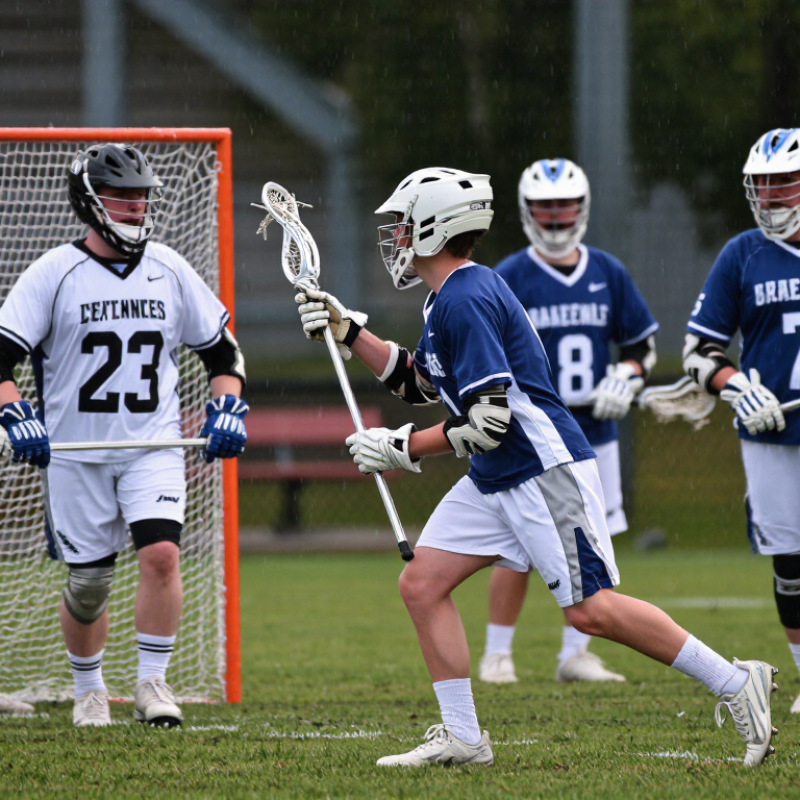
Why Choose Custom Lacrosse Sportswear for Your Team?

What Is Custom Lacrosse Sportswear?

Custom lacrosse sportswear means team apparel designed around a squad’s identity, movement, and playing conditions. It usually includes jerseys, shorts, skirts, socks, warmups, and practice shirts. Coaches choose colors, numbers, names, panels, collars, and fabric weight. Players should also influence the fit. A jersey that looks sharp but restricts shoulder rotation is a poor choice.

The need is substantial. The NFHS 2023-24 High School Athletics Participation Survey recorded more than 200,000 high-school lacrosse participants across boys’ and girls’ programs. That scale makes standardized sizing risky. Custom orders can offer separate cuts, longer hems, adjustable waistbands, and measured size samples before production.

In my experience, sample testing matters most around the shoulders, armpits, and waistband. Sizing still causes trouble.

Fabric selection requires practical judgment. The Textile Exchange Materials Market Report 2024 states that polyester represented about 57% of global fiber production in 2023.

Polyester is common in lacrosse uniforms because it dries quickly and holds printed graphics well. However, fabric performance depends on knit structure, ventilation, stitching, and finishing. A lighter mesh may improve airflow, while reinforced seams can survive repeated contact.

Customization is not automatically better. Teams should compare wear tests, wash instructions, color consistency, and delivery records before approving a full order.

How Team-Specific Designs Improve Identity and Recognition

Custom lacrosse sportswear can make a team recognizable before the first whistle. In team fittings, I have seen players stand taller when their uniforms reflect their shared identity. A consistent color system helps spectators connect jerseys, shorts, helmets, and sideline gear. Clear numbers also improve recognition during fast transitions. Small details matter. Sleeve trim, collar shapes, and carefully placed names can create a visual signature without making the uniform busy.

Tips: Choose two primary colors and one accent color. Test them under sunlight and indoor lighting. Keep numbers bold, readable, and consistent across every garment. Ask players for feedback before approving the final sample. Their comments may reveal practical issues, such as tight sleeves or weak contrast.

A team-specific design also supports communication away from competition. Coaches can identify players more quickly during training drills. Families can recognize their athletes in crowded tournament areas. Opponents may remember a disciplined visual presence, even after a difficult game. Reliable sportswear should also support movement, moisture control, and repeated washing. Appearance alone is not enough. Our first design draft may look impressive but fail during shoulder checks or hot practices. That is why fitting sessions and wear testing deserve real attention. Identity grows through repeated use, not one dramatic graphic. When every player wears the same carefully considered design, the uniform becomes part of the team’s daily behavior.

Why Choose Custom Lacrosse Sportswear for Your Team?

Team-specific designs strengthen visual identity by repeating recognizable elements across the jersey, shorts, helmet, socks, and gloves. The chart shows the number of visible identity touchpoints available across a coordinated lacrosse kit.

Data basis: a design-planning count of common customizable visual touchpoints in a coordinated lacrosse uniform; values represent available identity placements rather than market-share or company data.

How Custom Fit and Fabric Choices Support Player Performance

Why Choose Custom Lacrosse Sportswear for Your Team?

Custom lacrosse apparel should support movement before it displays team identity. A precise fit keeps shoulder pads stable and reduces loose fabric near sticks, gloves, and helmets. Sleeves should allow full arm extension without pulling across the chest. The waistband must stay secure during sprinting, cutting, and contact. Small details matter.

Fabric selection also affects comfort under pressure. Lightweight polyester or nylon blends can move sweat away from the skin and dry faster than heavy cotton. However, moisture-wicking fabric does not automatically improve speed. That claim needs caution. The American College of Sports Medicine’s 2022 expert consensus advises athletes to limit body-mass loss from dehydration to about 2% during exercise. Breathable panels, lighter fabric, and a reliable fit can help players manage heat, especially during long tournaments.

Fit should be tested in real conditions, not only on a showroom model. Players should jog, rotate their shoulders, crouch, and raise their arms while wearing protective equipment.

The NCAA Injury Surveillance Program consistently reports higher injury rates during competition than practice, although apparel alone cannot prevent injuries. That matters.

Custom sizing may reduce distraction and fabric interference, but it cannot replace coaching, conditioning, or proper equipment. Teams should compare fabric weight, stretch recovery, seam placement, and drying time before ordering. A jersey that feels excellent for ten minutes may feel restrictive after an hour of humid play.

What Features Can Be Personalized for Lacrosse Teams?

Custom lacrosse sportswear lets a team shape more than its visual identity. Coaches can personalize jersey colors, panel patterns, player names, numbers, and trim. Clear numbering supports quick recognition during fast transitions. A contrasting collar and sleeve edge can improve visibility without making the kit look crowded. Keep it readable.

Fit is equally important. Teams may choose relaxed or athletic cuts, sleeve lengths, collar shapes, and shorts with practical pocket placement. Goalkeepers can request roomier layers for protective equipment, while field players often prefer lighter, closer-fitting fabric. Moisture-managing materials, reinforced seams, and secure waistbands help clothing withstand repeated training and washing. Measurements should be checked by position, not guessed from one sample.

Personalization also includes fabric weight, mesh zones, sock colors, warm-up tops, and captain markings. A digital mockup is useful, but it is not proof of comfort. A sample should be tested through sprinting, shooting, and contact drills before the full order. Small details matter. A tight cuff can distract a player, and pale numbers may disappear under stadium lights. Some designs still need revision. Reliable suppliers should confirm measurements, artwork, production dates, and care instructions in writing.

How Custom Sportswear Supports Team Unity and Long-Term Value

Custom lacrosse sportswear does more than create a sharp appearance. It gives players a shared visual identity during practices, travel, and match days. Matching jerseys can reduce small distractions, especially when athletes are learning new systems. A player who sees the same colors beside them may feel more connected to the group. That feeling is practical. Better connection can support communication, confidence, and consistent effort.

Long-term value depends on careful decisions, not decoration alone. Choose breathable fabric, reinforced seams, and flexible panels around the shoulders. These details matter during repeated sprinting, checking, and stick movement. Ask players to test sizing before ordering. A loose sleeve or tight collar can become irritating after several sessions. Team managers should also record sizes and keep a few spare pieces. This makes future replacements easier and reduces waste. Still, not every first design works. Some colors may fade faster than expected, or a fit may need adjustment.

Tips: Test one sample through practice and washing. Check stitching, comfort, and color stability. Collect player feedback before placing the full order. Keep a simple size list for returning athletes. Consider initials or numbers that remain readable from the sideline. Small details help uniforms stay useful longer. They also protect the team budget over several seasons. Custom sportswear becomes more valuable when it serves both today’s players and those who join later.

'