
Why Choose a Pink Maternity Dress for Global Buyers?
For global buyers, a Pink Maternity Dress is more than a seasonal fashion item. It combines visible femininity, emotional warmth, and practical comfort during pregnancy. Allied Market Research valued the global maternity wear market at approximately USD 12.2 billion in 2022. It also projects substantial growth through 2032. This trend reflects stronger demand for clothing that supports changing bodies without sacrificing personal style.
Pink offers broad design flexibility. Soft blush shades suit baby showers and studio photography. Dusty rose can appear elegant in professional settings. Brighter pink creates stronger visual appeal for social commerce and festive collections. Buyers should still consider regional preferences, skin tones, and cultural expectations. One shade cannot satisfy every market.
Comfort remains essential. A reliable Pink Maternity Dress should provide stretch across the abdomen, breathable fabric, and adjustable details. Empire waists, concealed side zippers, and nursing-friendly openings can improve long-term value. McKinsey and The Business of Fashion’s State of Fashion reports repeatedly highlight value-conscious purchasing and stronger expectations for quality. That matters for retailers managing returns across borders.
The data has limits. Maternity-specific buying behavior varies widely by country, income, climate, and pregnancy stage. Some buyers may prefer neutral colors instead. This is an important consideration. Therefore, professional sourcing should combine market reports with customer reviews, fit trials, and regional sales evidence. A thoughtful pink collection should look attractive on screen, feel comfortable in real life, and remain dependable after repeated washing.
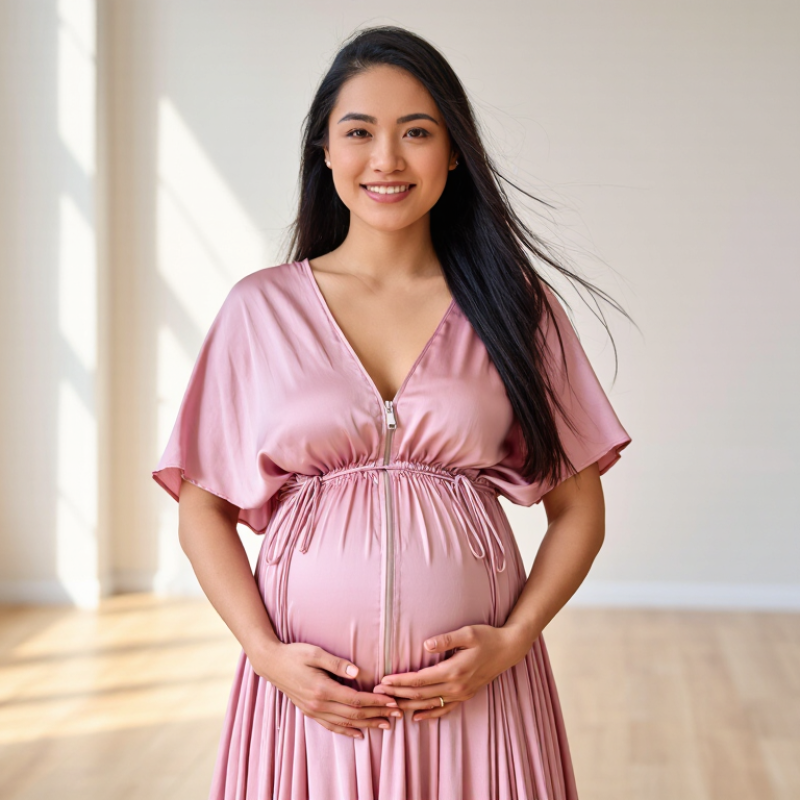
What Makes Pink Maternity Dresses Popular Among Global Buyers?
Pink maternity dresses remain popular among global buyers because they combine softness, visibility, and emotional appeal. Many shoppers associate pink with warmth, celebration, and gentle styling. These associations can differ across cultures, so sellers should avoid treating pink as universally feminine or suitable for every customer. Offering dusty rose, blush, coral, and muted pink gives buyers more control over their personal expression.
Comfort also drives demand. During pregnancy, buyers often look for stretchable jersey, breathable cotton blends, and waistlines that sit above the stomach. A well-cut dress should allow movement without pulling across the shoulders or hips. Practical details matter, too. Adjustable straps, nursing openings, and clear size charts can reduce uncertainty for international customers. Product photos should show fabric texture and fit from several angles, not only a carefully posed front view.
Small flaws still deserve attention. A pale pink fabric may reveal lining problems under bright light. Some shoppers may also find pink less versatile after pregnancy. Sellers can respond with relaxed silhouettes, removable waist ties, and colors that work beyond maternity wear. I have found that comfort often persuades buyers more strongly than color alone. Yet preferences are not predictable. Customer feedback should guide future sizing, fabric choices, and shade selection.
| Buyer Consideration | Evidence-Based Data Point | Global Buyer Relevance | Popularity Potential | Recommended Product Feature | Reference |
|---|---|---|---|---|---|
| Color Recognition | Pink is commonly associated with softness, warmth, affection, and femininity in many contemporary markets. | These associations can support baby showers, maternity photo sessions, family celebrations, and gift purchases. | High | Offer several tones, including blush, dusty rose, mauve, and soft coral, rather than relying on one pink shade. | Frontiers in Psychology, color-emotion research |
| Emotional Appeal | Color preferences are influenced by personal experience, age, culture, context, and gender-related social learning; no single color meaning is universal. | A pink maternity dress can feel emotionally appropriate for some buyers, while shade choice and alternative colors help serve more diverse preferences. | Medium–High | Use inclusive product descriptions and provide neutral alternatives such as ivory, sage, navy, and lavender. | Journal of Experimental Psychology, color preference research |
| Photographic Visibility | Light and mid-tone pinks create a visible color contrast against many neutral backgrounds commonly used for indoor portraits and outdoor maternity photography. | Clear color presence can improve visual recognition in social posts, product galleries, and event photography. | High | Use matte fabrics and provide both pastel and medium-depth pink options to suit different lighting conditions. | Practical product-design consideration based on color contrast and photography conditions |
| Comfort During Pregnancy | Pregnancy commonly involves changing body shape and increased demand for comfortable, adjustable clothing. | Comfort is a universal purchase factor, regardless of the buyer’s country or preferred color. | Essential | Include stretch panels, empire waists, wrap construction, adjustable ties, and soft seams. | NHS, physical changes during pregnancy |
| Fabric Breathability | Cotton and linen are natural fibers commonly valued for moisture absorption and breathability; fabric performance also depends on weave, weight, and finishing. | Breathable constructions are especially relevant for warm climates and indoor events with extended wear. | High | List fiber composition, fabric weight, lining details, and care instructions clearly. | Textile Exchange, Materials Market Report |
| Shade Range | Pink is a broad color family that ranges from very light blush to deeper rose and berry tones. | A wider shade range helps buyers select colors that suit personal taste, skin undertone, season, and cultural styling preferences. | High | Provide accurate digital swatches, daylight photographs, and shade names with consistent descriptions. | Color classification and digital color-management practice |
| Seasonal Versatility | Pale pink can support spring and summer styling, while dusty rose, mauve, and berry tones can work with autumn and winter palettes. | Multiple pink shades allow one product category to remain relevant across different climates and seasonal buying cycles. | Medium–High | Pair pink dresses with removable cardigans, shawls, belts, or lightweight jackets for climate flexibility. | Apparel color-planning and seasonal styling practice |
| Modesty and Coverage | Dress expectations differ by country, religion, occasion, and household preference; coverage requirements are not globally uniform. | Flexible silhouettes make pink maternity dresses suitable for ceremonies, family gatherings, professional photography, and casual wear. | High | Offer knee-length and maxi options, opaque linings, higher necklines, sleeve choices, and adjustable coverage. | UN, cultural and individual rights framework |
| Safety and Chemical Information | OEKO-TEX STANDARD 100 evaluates textile products and components for harmful substances according to defined testing requirements. | Clear material and safety information can increase confidence among international buyers purchasing clothing for pregnancy. | High | Display fiber content, washing instructions, dye-care information, and applicable third-party test documentation. | OEKO-TEX STANDARD 100 |
| Sustainability Expectations | GOTS labeling distinguishes products made with certified organic fibers, with different requirements for “organic” and “made with organic” claims. | Traceable material claims are relevant to buyers who compare environmental and social attributes across international markets. | Medium–High | Use verifiable certification claims only and explain the certified fiber percentage and processing scope. | Global Organic Textile Standard |
| Care and Durability | International care-symbol standards help communicate washing, bleaching, drying, ironing, and professional-care requirements across markets. | Simple care instructions reduce misunderstandings and help preserve color quality after repeated wear and washing. | High | Use standardized care symbols, add written instructions in English, and state whether color transfer or fading precautions apply. | ISO 3758: Textiles — Care labelling code using symbols |
| Inclusive Market Positioning | Pink can be positioned as a fashion color rather than a fixed gender label, particularly when offered in varied silhouettes and shade depths. | This approach can attract pregnant consumers, gift buyers, photographers, and retailers seeking occasion-focused maternity apparel. | Medium–High | Use lifestyle-focused messaging such as “soft,” “celebratory,” and “photography-ready,” while avoiding assumptions about the baby’s gender. | Inclusive apparel merchandising principle |
 '
'
