What Are Noise Cancelling Curtains and Do They Work?
Noise cancelling curtains sound like a simple fix: hang heavy fabric, close the window, and leave outside noise behind. Real rooms are less cooperative. These curtains can soften some sounds, especially sharper traffic noise and echoes, but they rarely make a room silent. The result depends on fabric weight, window gaps, wall construction, and the sound itself. A bus rumble may still reach the bedroom.
Dr. Trevor Cox, a professor of acoustic engineering at the University of Salford, studies how sound behaves in everyday spaces. His work offers a useful principle: sound control depends on the whole room, not one material. This is a paraphrase of that principle, not a direct quotation. It matters because product descriptions can make “noise cancelling” sound stronger than curtains alone can deliver. Dense, floor-length fabric may help absorb reflections and reduce some incoming noise, particularly when it covers the window closely. Small gaps at the sides can weaken that effect.
There is a practical trade-off. Heavier curtains may darken a room, need stronger hardware, and still leave low-frequency noise noticeable. A quiet afternoon test can also mislead; nighttime traffic may sound different. So, do noise cancelling curtains work? Sometimes, and to a limited degree. They can be one useful layer, not a substitute for proper sound insulation. The difference is real, but not magical.

What Noise-Cancelling Curtains Are and How They Are Made
Noise-cancelling curtains are usually sound-reducing curtains, not electronic devices that erase noise. The name can promise more than the fabric delivers. They are designed to absorb some sound and limit small gaps where noise can pass.
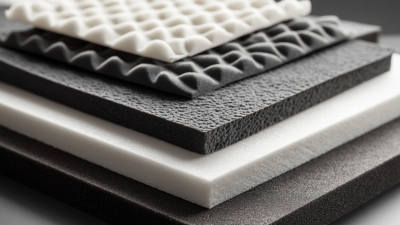
Most are made from several layers. A tightly woven outer fabric provides structure, while a thick inner layer—often felt, batting, or foam—adds weight and helps absorb sound. Some designs include a soft lining on the room-facing side. The materials are stitched or bonded together, then finished with hems, pleats, and hanging loops or grommets. Construction varies, so a heavy curtain is not automatically a well-made one.
In a quiet room, the fabric may soften sharp sounds, such as traffic hiss or voices from a hallway. It is less effective against deep bass, loud machinery, or sound entering through walls.
Not magic. Coverage matters: curtains should extend beyond the window and reach close to the floor. A narrow gap at the sides can weaken the effect.
Fit matters. There is also a trade-off: multiple layers can make curtains bulky and harder to open. Check the stitching and lining, too; those details are easy to overlook, but they affect how the curtain hangs and lasts.
How Curtain Materials and Layers Reduce Sound
Noise-cancelling curtains are better described as sound-reducing curtains. Their materials and construction can soften noise, but they cannot make a room silent. Dense fabrics, such as tightly woven velvet or heavy polyester, absorb some sound instead of reflecting it around the room. A thin, sheer panel usually makes little difference.
Layers matter. A thick lining adds mass, while folds create extra fabric that can help absorb sound. Leaving a small air space between the curtain and window may also reduce some noise transfer. Still, results depend on the window, the sound, and how the curtains fit. They often soften voices and sharp street sounds more than deep traffic rumble. That distinction is easy to miss. Curtains that stop just above the sill may leave gaps where sound continues to enter.
Tips: Choose panels wide enough to cover the window edges, and let them reach close to the floor. Pairing them with a snug curtain rod can limit gaps. Check the fabric weight and lining details before buying; “soundproof” claims can overpromise. For a real-world check, listen from the same spot before and after installation. A quieter room is possible, but the change may be modest.
Which Types of Noise Curtains Can Help Block
Noise-reducing curtains come in several forms, and their performance depends on fabric weight, construction, and fit. Dense, multilayer acoustic curtains are designed to absorb some sound and reduce reflections. They may soften traffic hiss or voices, but they will not make a room silent. Not magic.
Thermal blackout curtains can also help because their thick, tightly woven layers add mass and cover window glass. Look for generous width and length: curtains that extend beyond the frame and reach close to the floor leave fewer gaps for sound to pass through. A narrow panel beside a bare window often makes little difference. Small details matter.
For stronger noise reduction, some curtains include extra dense barriers between fabric layers. These can be heavier and harder to open, so check whether your curtain rod and wall brackets can support them. Even then, low rumbles from buses or construction may remain, since sound can travel through walls, floors, and window frames. Fit is not everything. I would treat curtain claims cautiously and judge results in the actual room; a softer sound may still be noticeable, and the improvement can vary from window to window.
What Are Noise-Cancelling Curtains—and Which Sounds Can They Help Block?
Curtains do not actively cancel sound. Dense, heavy, pleated curtains that cover the window and reach close to the floor can absorb some sound and reduce reflections, especially at higher frequencies. Low-frequency sounds are harder to block: their longer wavelengths can pass through gaps and lightweight fabric. The chart shows wavelength, calculated using 343 metres per second divided by frequency; it does not represent a guaranteed noise reduction.
How Well Noise-Cancelling Curtains Work in Real Rooms
In a real room, noise-cancelling curtains usually soften sound rather than stop it. Dense fabric can absorb some reflected, higher-frequency noise, such as sharp voices or traffic hiss. Low rumbles from buses and trucks often pass through the window, frame, and wall. Tiny gaps matter. A curtain that barely covers the window may leave sound paths at the sides and bottom. Floor-length panels with generous folds tend to cover more area, but they cannot seal a leaky window.
The numbers need context. The WHO’s 2018 Environmental Noise Guidelines recommend reducing road-traffic exposure above 53 dB Lden and nighttime exposure above 45 dB Lnight. The U.S. EPA’s 1974 noise report gave 55 dB Ldn outdoors and 45 dB indoors as guideline levels. These are exposure targets, not promises that curtains will cut noise by a set amount. ASTM sound-transmission tests rate building elements, not a curtain hanging alone. So I would be cautious about claims of dramatic decibel reductions without independent test details. Try closing the window, drawing the curtains fully, and listening from the same chair. The room may feel calmer, even when the loudest low notes remain. That part is frustrating.
Factors That Affect Their Performance and Use
Noise-cancelling curtains are usually thick, layered curtains that reduce some incoming sound. They do not create the silence of active noise-cancelling headphones. Their effect depends on the sound, the window, and how the curtains are installed. Low rumbles from traffic may still pass through, while sharper outdoor sounds can seem less noticeable. Results vary.
Coverage and fit matter. Curtains should extend beyond the window frame and reach close to the floor, leaving fewer gaps for sound to travel through. Dense fabric and multiple layers can help, but they cannot compensate for thin walls or a poorly sealed window. A heavy curtain may also block light and make a small room feel crowded. I would treat them as one part of a quieter room, not a complete fix.
Tips: Measure the window before buying, including the space needed for wider coverage. Hang the curtains close to the wall, then listen at the same spot with them open and closed. Keep expectations modest. Even a noticeable improvement can be hard to measure, and I sometimes find that what feels quieter is simply less distracting.





 '
'
