Why Sound Deadening Panels Are Essential for Global Buyers

Why Sound Deadening Panels Are Essential for Global Buyers

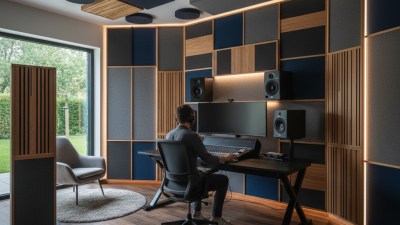
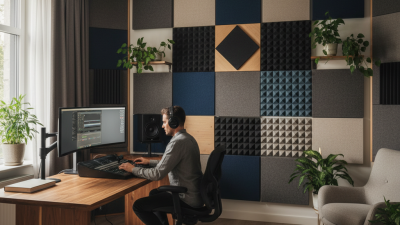
In open offices, recording rooms, hotels, and factories, unwanted sound travels quickly. It reflects from glass, concrete, metal, and bare ceilings. These reflections create echoes, speech fatigue, and poor concentration. Sound deadening panels help control that problem by absorbing part of the acoustic energy inside a room.

F. Alton Everest, a respected acoustics author, wrote, “Sound is a vibration that travels through a medium.” His observation explains why acoustic treatment must match the room, not merely its appearance. Good sound deadening panels can reduce reverberation, soften harsh frequencies, and make conversations easier to understand. They do not create complete soundproofing. That distinction matters.

For global buyers, product selection involves more than color and price. Panel thickness, core material, surface fabric, mounting method, and absorption ratings influence real performance. A thin decorative panel may look attractive but deliver limited low-frequency control. A dense product may perform well yet require stronger wall support. Small details matter.

Ask for independent test reports.

Buyers should also review fire-performance documentation, moisture resistance, packaging quality, and installation guidance. These factors become important when products cross climates and construction standards. Supplier claims should be checked carefully. Photos can mislead. Even impressive panels may underperform when installed too sparsely or placed in the wrong locations.

The practical lesson is not complicated. Effective acoustic design combines measurement, suitable materials, and realistic expectations. Yet mistakes still happen. A room may need fewer panels than expected, or more treatment behind the listener than on the front wall. This is why dependable technical advice remains essential for every international purchase.

Why Sound Deadening Panels Are Essential for Global Buyers

What Sound Deadening Panels Are and How They Work

Sound deadening panels are engineered materials that control unwanted noise inside rooms, vehicles, and industrial spaces. Most use porous fibers or open-cell structures. When sound waves enter these pores, friction converts part of their energy into small amounts of heat. The result is less reverberation and clearer speech. They do not simply “block” every sound.

Panel performance depends on frequency, thickness, density, and installation distance from the wall. Thin panels usually absorb mid and high frequencies, such as voices, alarms, and machinery hiss. Low-frequency noise needs thicker treatment, sealed barriers, or an air cavity. A common mistake is expecting one panel type to solve every acoustic problem. It rarely does.

The World Health Organization’s Environmental Noise Guidelines for the European Region recommends keeping road-traffic exposure below 53 dB Lden and 45 dB Lnight. These figures show why acoustic planning matters for global buyers. However, indoor panels cannot automatically deliver those outdoor exposure limits. Laboratory ratings must be checked carefully. ASTM C423 measures sound absorption, while ISO 11654 converts absorption results into a single rating. Higher ratings generally indicate better absorption, but test conditions may differ from real rooms. The label can mislead. Buyers should request frequency-based test data, fire-performance documentation, installation instructions, and product safety records. A small air gap behind a panel may improve absorption, yet poor sealing around doors and ducts can undermine the entire system.

Key Noise Problems Sound Deadening Panels Solve

Why Sound Deadening Panels Are Essential for Global Buyers

Sound deadening panels address several noise problems that affect offices, schools, hotels, studios, and production spaces. The most visible issue is reverberation. Voices bounce from hard walls, ceilings, glass, and floors, making conversations tiring and unclear. Panels absorb part of this reflected energy, helping speech sound more natural.

They also reduce distracting background noise from ventilation systems, equipment, traffic, and crowded work areas. In an open office, a nearby phone call can spread across several desks. In a classroom, repeated echoes can make students miss instructions. Panels cannot eliminate every sound. That distinction matters. They mainly control airborne noise and room reflections, while heavy footsteps or machinery vibration may require structural treatment.

Effective selection depends on room size, surface materials, panel thickness, and placement. Buyers should review independently tested absorption data, fire performance, moisture resistance, and installation requirements. A thick panel on one wall may produce limited improvement if the ceiling remains highly reflective. The weak point is often overlooked.

Installers frequently test the room before and after installation using reverberation or speech-clarity measurements. That evidence is more reliable than judging by ear alone. Some spaces still feel imperfect after treatment, especially when doors, ducts, or partitions leak sound. This is where careful inspection matters. Noise control is practical engineering, not decoration.

Main Types of Sound Deadening Panels and Their Materials

Why Sound Deadening Panels Are Essential for Global Buyers

When global buyers compare sound deadening panels, material choice should follow the noise problem. Fiberglass and mineral wool panels absorb mid and high frequencies effectively. They suit studios, offices, and machine rooms. Their open structure traps moving air and reduces reflected sound. Acoustic foam is lighter and easier to cut. Its wedge or pyramid surface increases exposed area. However, foam usually performs less effectively against deep bass. It also needs careful fire and aging checks. Polyester fiber panels offer cleaner handling. They contain no loose fibers and suit classrooms or public interiors. Some recycled versions support sustainability goals, but recycled content needs verification. Claims can vary.

For low-frequency control, buyers often examine thick panels or bass traps. Mineral wool generally provides stronger absorption at greater thicknesses. Mass-loaded vinyl serves a different purpose. It adds mass to walls, doors, and enclosures, helping block airborne noise. It does not replace an absorptive panel. Perforated wood panels combine a rigid face with an absorptive backing. They can improve room appearance while controlling reflections. PET panels are light, colorful, and simple to install. Yet performance depends on thickness, spacing, and mounting. I have seen buyers compare only density, then overlook the test method. That approach can produce disappointing results. Check absorption ratings, fire certificates, humidity resistance, and installation drawings. A panel with excellent laboratory data may behave differently after poor sealing or incorrect spacing.

How to Select Panels for Different Spaces and Global Markets

Selecting sound deadening panels starts with the space, not the catalogue. Offices need speech clarity, while restaurants need to soften clatter and echo. Bedrooms require quiet surfaces with low visual impact. The European Environment Agency reported in 2020 that over 113 million people faced harmful road-noise exposure above 55 dB Lden. This shows why acoustic decisions matter across densely populated markets.

Buyers should compare the Noise Reduction Coefficient, reverberation results, and panel coverage. A high NRC number is not the whole answer. ISO 354 measures sound absorption in a reverberation room, while ISO 3382 helps evaluate room reverberation. These methods support fairer comparisons. In classrooms, WHO guidelines recommend indoor noise below 35 dB(A) for good learning conditions. However, panels cannot remove noise from machinery, traffic, or neighbors. They mainly reduce reflected sound.

Market conditions also change the specification. A humid coastal project may need moisture-resistant cores and sealed edges. A public building may require tested fire performance under local regulations. Export buyers should request laboratory reports, installation drawings, cleaning instructions, and material declarations. Small rooms often need ceiling treatment and wall panels together. Large halls may need suspended absorbers. I have seen projects over-focus on appearance and under-measure reverberation. That mistake is expensive. Recheck the room after installation. Real performance can differ from the brochure.

Why Sound Deadening Panels Are Essential for Global Buyers

Typical reverberation-time targets show why acoustic treatment must be selected according to the space. Lower values generally improve speech intelligibility, while larger spaces may require a balanced acoustic response.

The values below are common acoustic design targets and may vary with room volume, occupancy, finishes, building standards, and local regulations. Buyers should compare panel absorption performance, such as laboratory-tested sound absorption coefficients or NRC values, before selecting products for different global markets.

Installation, Performance, Maintenance, and Safety Considerations

Sound deadening panels need careful installation to deliver reliable results. Before mounting, measure the wall, ceiling, and equipment noise sources. Clean, dry surfaces help adhesives bond evenly. Uneven gaps can create sound leaks. Measure twice. For heavier panels, mechanical fasteners may provide better support than adhesive alone. Installers should wear gloves, eye protection, and suitable masks when cutting fibrous materials. Keep ventilation open during adhesive application.

Performance depends on the panel’s purpose, thickness, density, and placement. Absorptive panels reduce reflections inside a room, while barriers help limit sound transmission through walls. Global buyers should request independent test data, including sound absorption or transmission ratings. Real rooms rarely match laboratory conditions. Doors, vents, corners, and machinery may reduce the expected benefit. Placing panels near strong reflection points often improves speech clarity more than covering every surface.

Maintenance is simple but should not be ignored. Inspect edges, fasteners, and surface coverings every few months. Replace loose or compressed sections before they fall. Use a soft vacuum attachment for dust, and avoid soaking porous materials. Check the product’s fire classification and local building requirements before installation, especially in public or industrial spaces. Some adhesives age poorly in humid areas; I have seen secure panels loosen after one wet season. A small test section can reveal bonding, color, and cleaning problems before a full order. Keep technical documents, installation records, and replacement details available for future inspections.

'